Split Screen, produced by RCS Innovation Studio, concludes with six micro-commissions

New connections, creative experimentation and ecosystem building across Scotland’s performing arts sector have been sparked by the Royal Conservatoire of Scotland through its ambitious Split Screen programme.
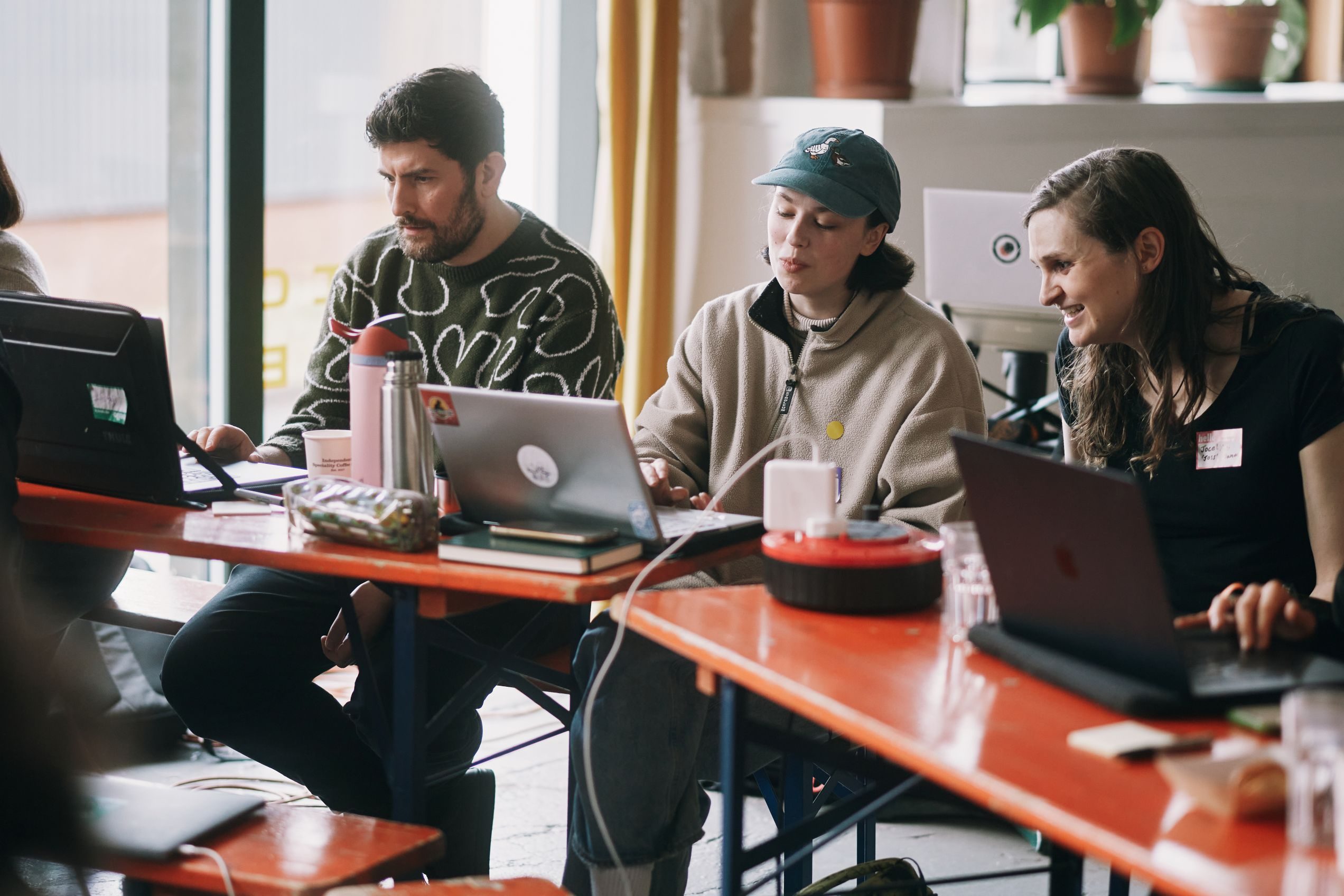
Taking place over five days in January and February, the industry engagement programme brought together a multidisciplinary cohort of creatives to explore how digital innovation and artificial intelligence can shape the future of performance.
Produced by the Conservatoire’s Innovation Studio in partnership with Scottish Opera, Scottish Ballet, Citizens Theatre, CodeBase, Techscaler, Creative Glasgow, and anam creative, and supported by the Scottish Government’s Ecosystem Fund, Split Screen created a supportive space for participants to learn, connect and collaborate while exploring new ideas and tools they could adopt into their creative practices.
Inside Split Screen
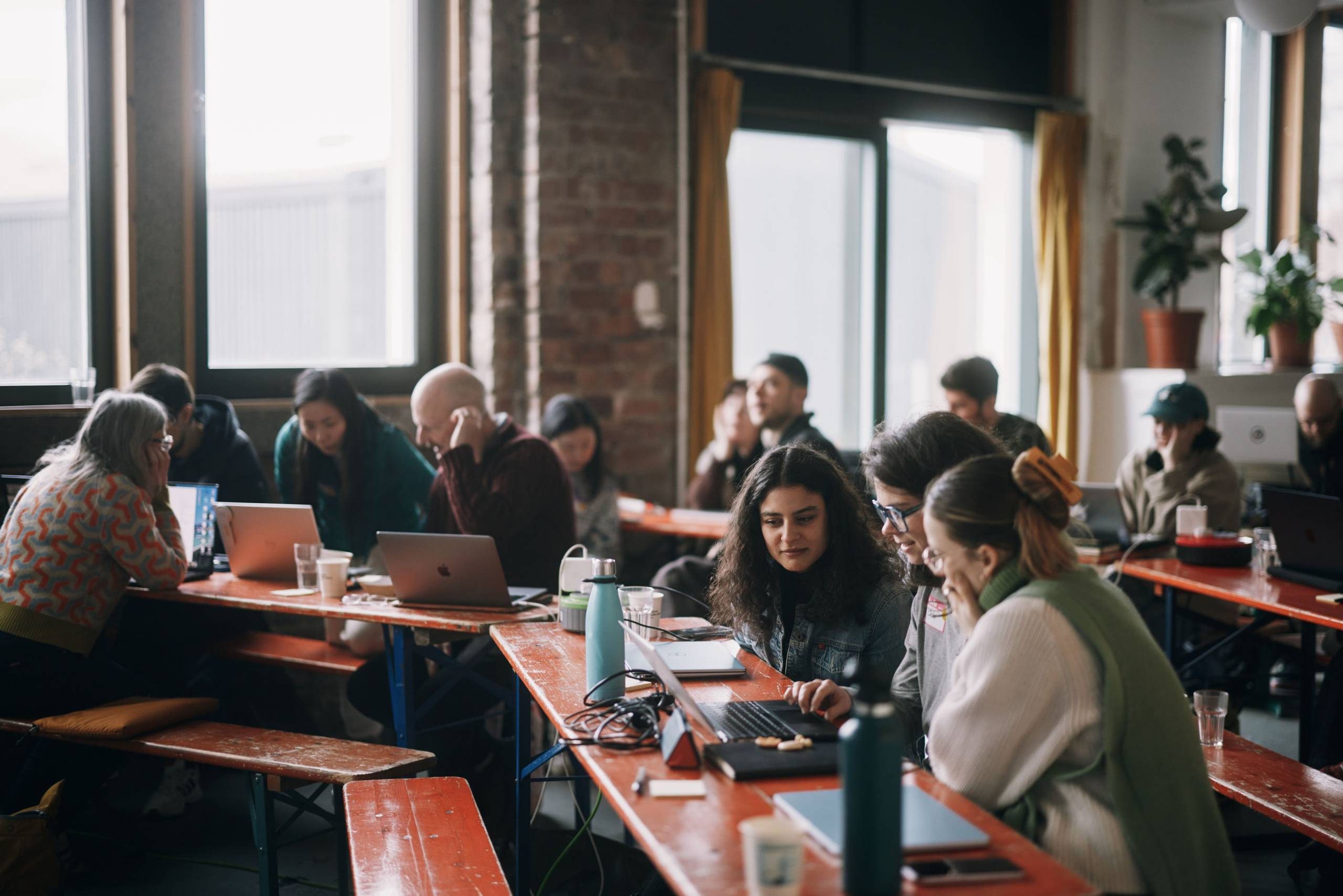
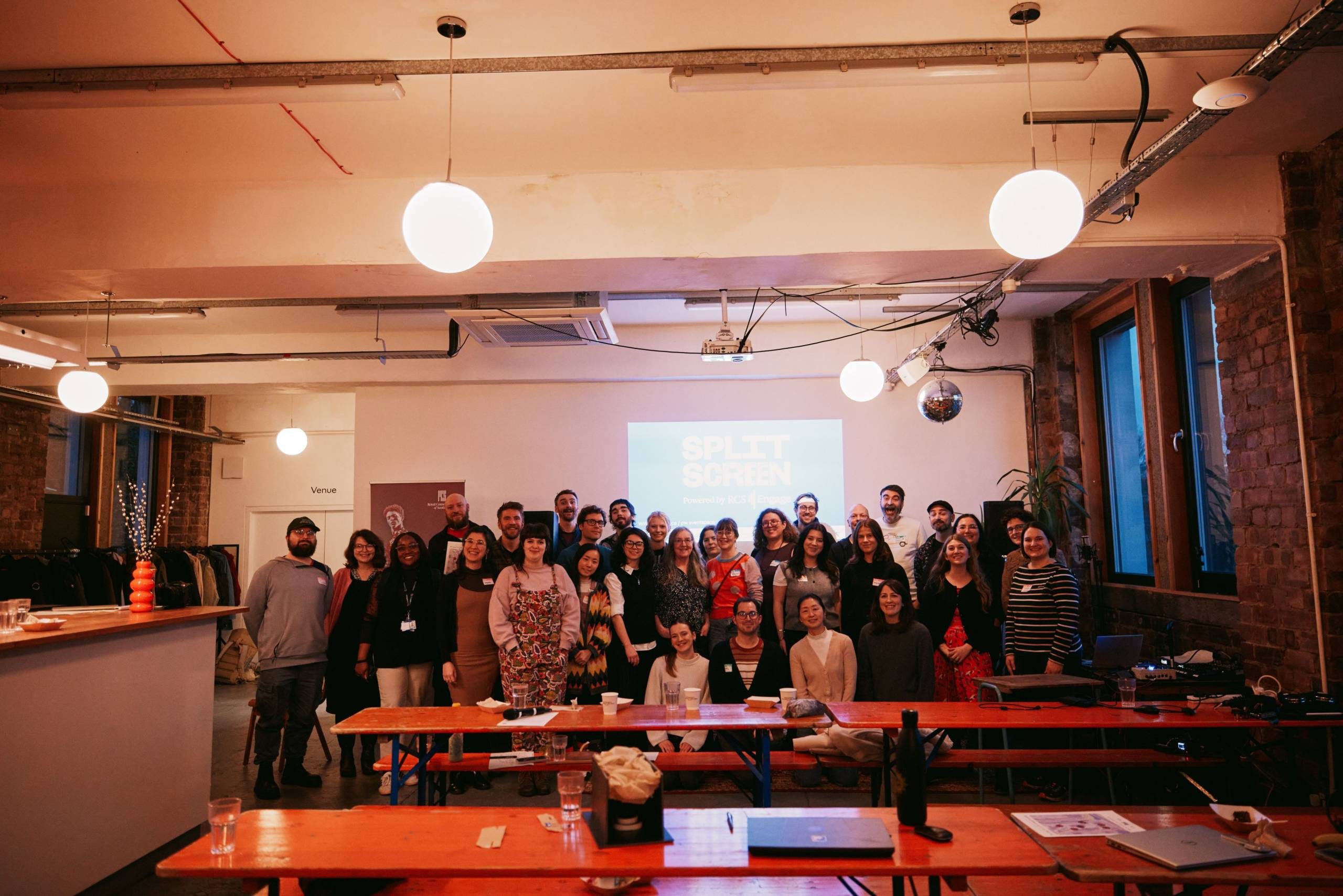
The Split Screen programme welcomed a diverse cohort of 40 participants, including freelancers, early-career creatives, experienced practitioners, and partner organisations, representing a wide range of disciplines.
From classically trained actors, opera singers, choreographers, composers, writers, directors, and producers to creative technologists, digital artists, video game designers, and participants working in community and socially engaged arts, this mix of skills and experiences created a vibrant, supportive environment where participants could ask questions, test ideas, and share expertise.
Janine Matheson, Innovation Studio Producer at RCS, said: “As technologies like AI continue to evolve, it’s essential that performing artists are not just responding to them but actively shape how these tools are used.
“Split Screen created the conditions for artists, technologists, and organisations to connect, play, and explore new possibilities. By bringing these communities together, the Conservatoire’s Innovation Studio helps ensure that the future of digital innovation in the arts is led by curiosity, creativity, and critical thinking.”
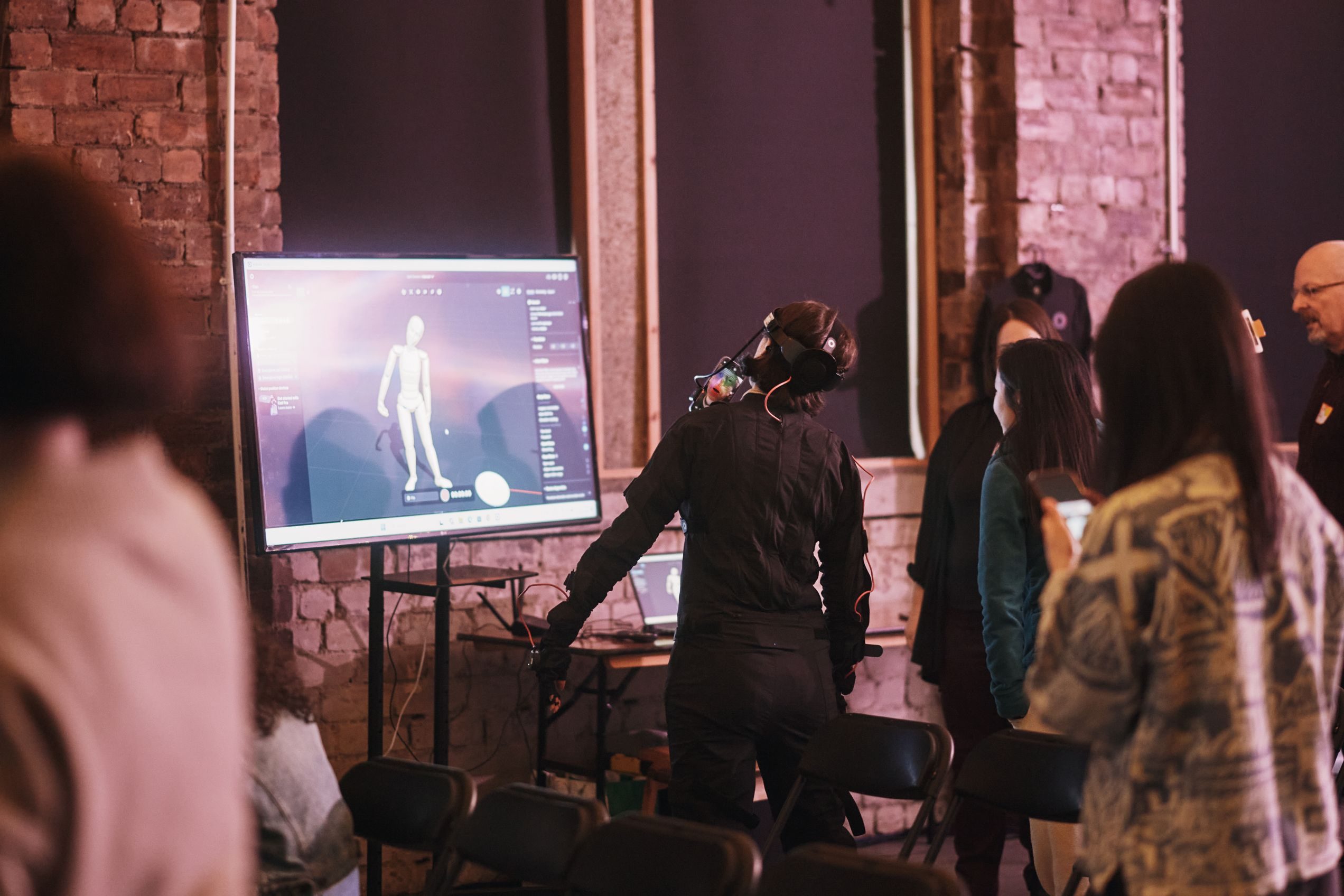
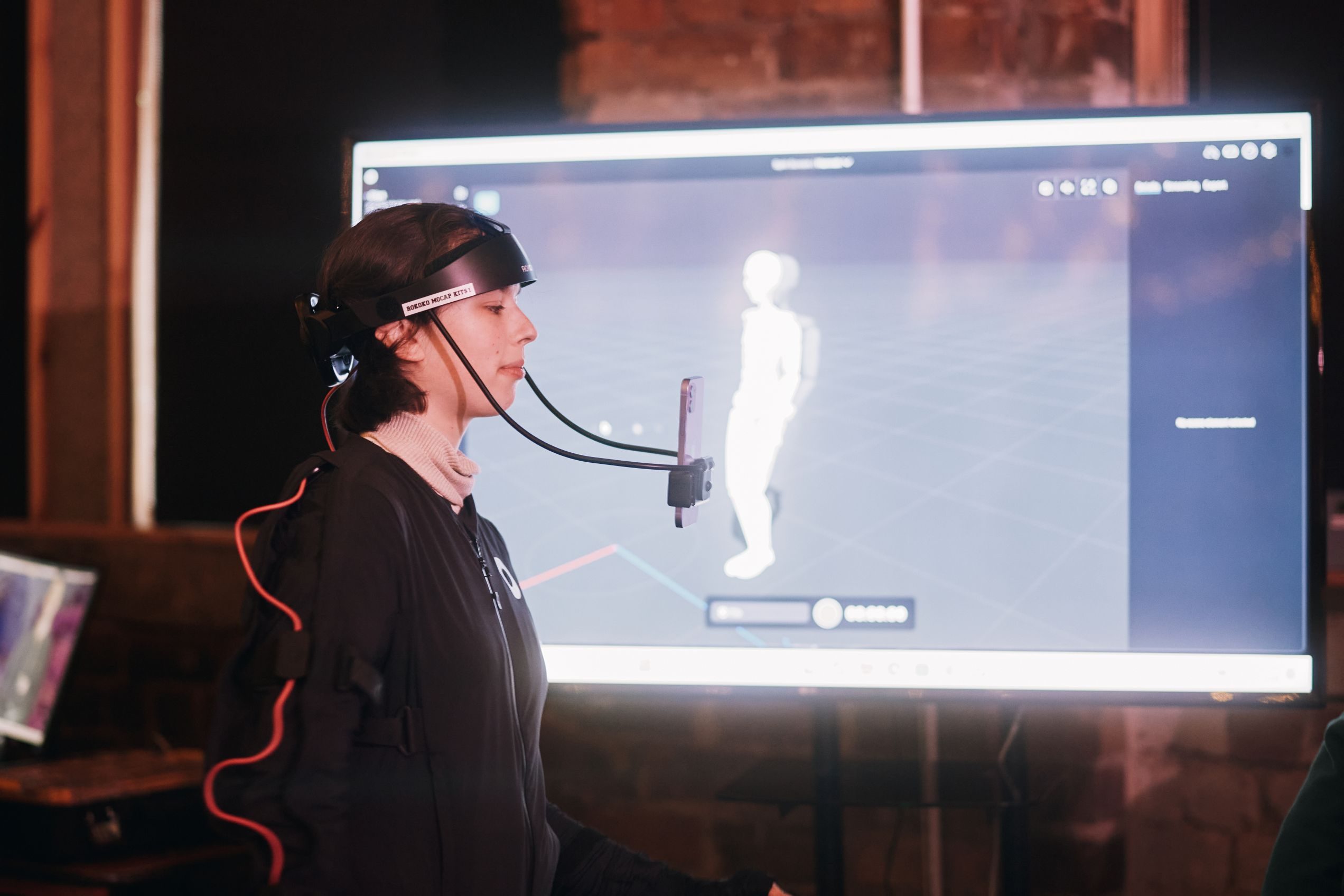
Split Screen kicked off with three full training days, during which participants engaged in workshops, lightning talks from industry leaders, keynotes, and guided reflection, curated around the themes Explore, Play, and Amplify.
Hands-on workshops and practical sessions enabled the cohort to experiment with emerging tools and techniques that might otherwise be difficult or expensive for individual practitioners to access. In one session on AI vibe coding with Jocelyn Burnham (Ai for Culture), participants rapidly conceived and prototyped an interactive game in under two hours.
RCS researcher and composer Emily Doolittle had been developing a composition project around the sonification of plankton data, but reached a technical challenge that, until the workshop, had prevented her from moving forward with the project.
Through Split Screen, Emily gained the confidence and tools to start programming her own software, helping her transform datasets into musical sequences to inspire the composition phase.
Through talks and Q&A sessions, participants heard from leading industry experts such as ABBA Voyage producer Svana Gisla and Epic Games Innovation Lab producer Jamie Mossahebi, sharing their experiences of high-profile immersive productions, alongside speakers working on experimental grassroots projects, including several Immersive Arts commissions.
Sessions led by project partner CodeBase further deepened learnings through practical guidance and mentorship, equipping the cohort with actionable knowledge to take their creative tech projects to the next stage.
Alongside the cohort programme, Split Screen also featured a series of public evening events, showcasing inspiring work and thought-provoking talks from visual artist and filmmaker Rachel Maclean, artist-researcher Maria Sappho, and Stacie Lee Bennett-Worth (Executive Director) and Luca Biada (Chief Technology Officer) of Alexander Whitley Dance Company.
Strengthening Scotland’s Creative Ecosystem
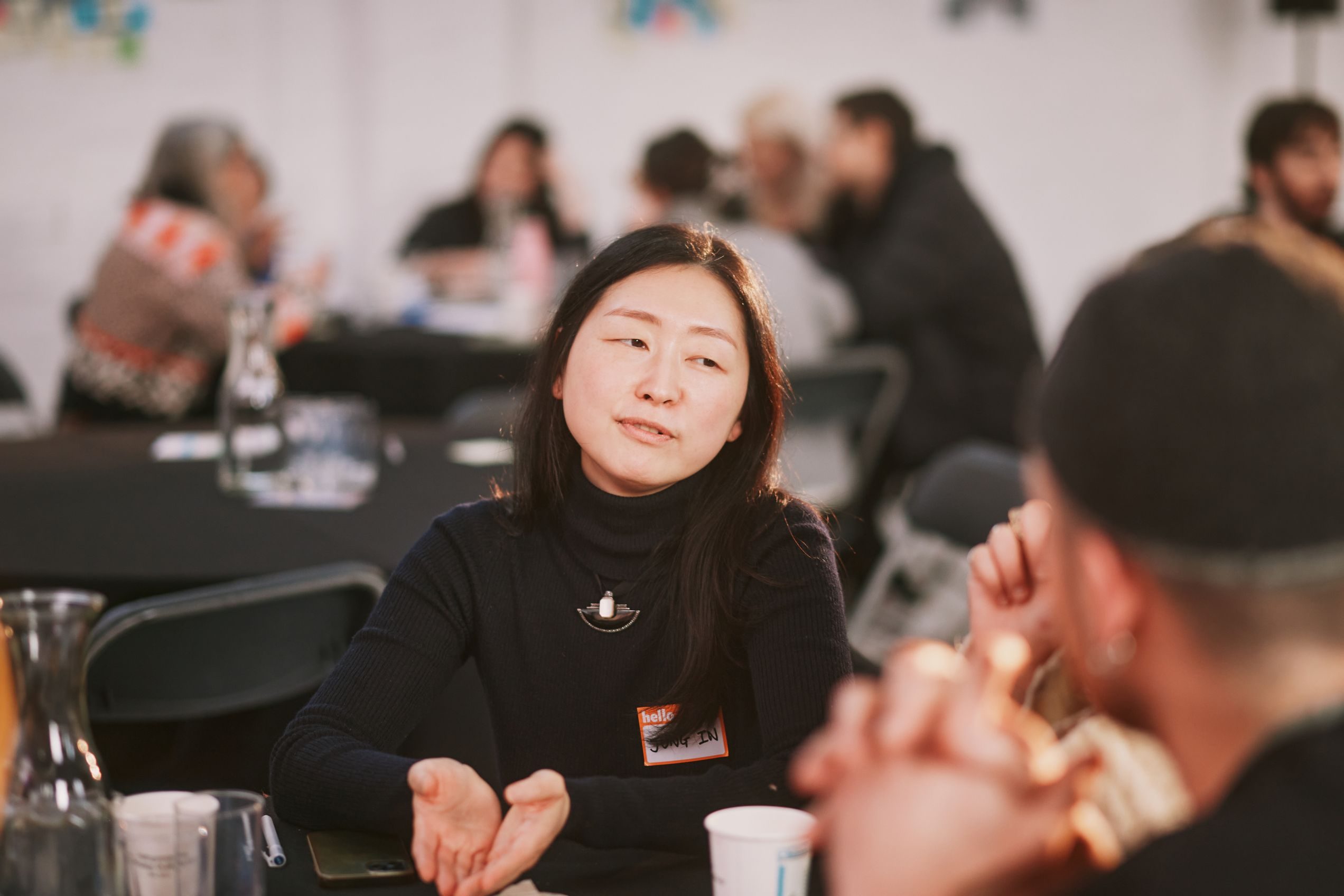
Beyond the knowledge gained throughout the programme, one of the most significant impacts of Split Screen was the connections formed between participants. The programme enabled creatives to exchange ideas and gain peer support and advice from collaborators they might not otherwise have crossed paths with.
One participant said: “I’ve gained a new network of people to work with – both in terms of people I can call on for help, and people who I can help.”
Another added: “Split Screen reaffirmed how essential programmes like this are, because there simply aren’t enough of them. We often end up working in silos, and Split Screen felt vital in creating the conditions for genuine connection across artists and technologists.”
Split Screen also offered something that many creative professionals are rarely afforded: dedicated time to explore and learn in a no-pressure environment. The cohort was encouraged to experiment, discuss, and reflect on digital innovation opportunities within their practice. For many, this sense of openness and shared curiosity became a defining feature of the programme.
Sprint & Micro-commissions
Split Screen culminated in a two-day development sprint that offered the cohort dedicated time and mentor experts to explore ideas seeded during the programme. On the last day, participants were invited to pitch their ideas, with 17 presenting on the day, ranging from entirely new concepts to reimagined existing work inspired by Split Screen.
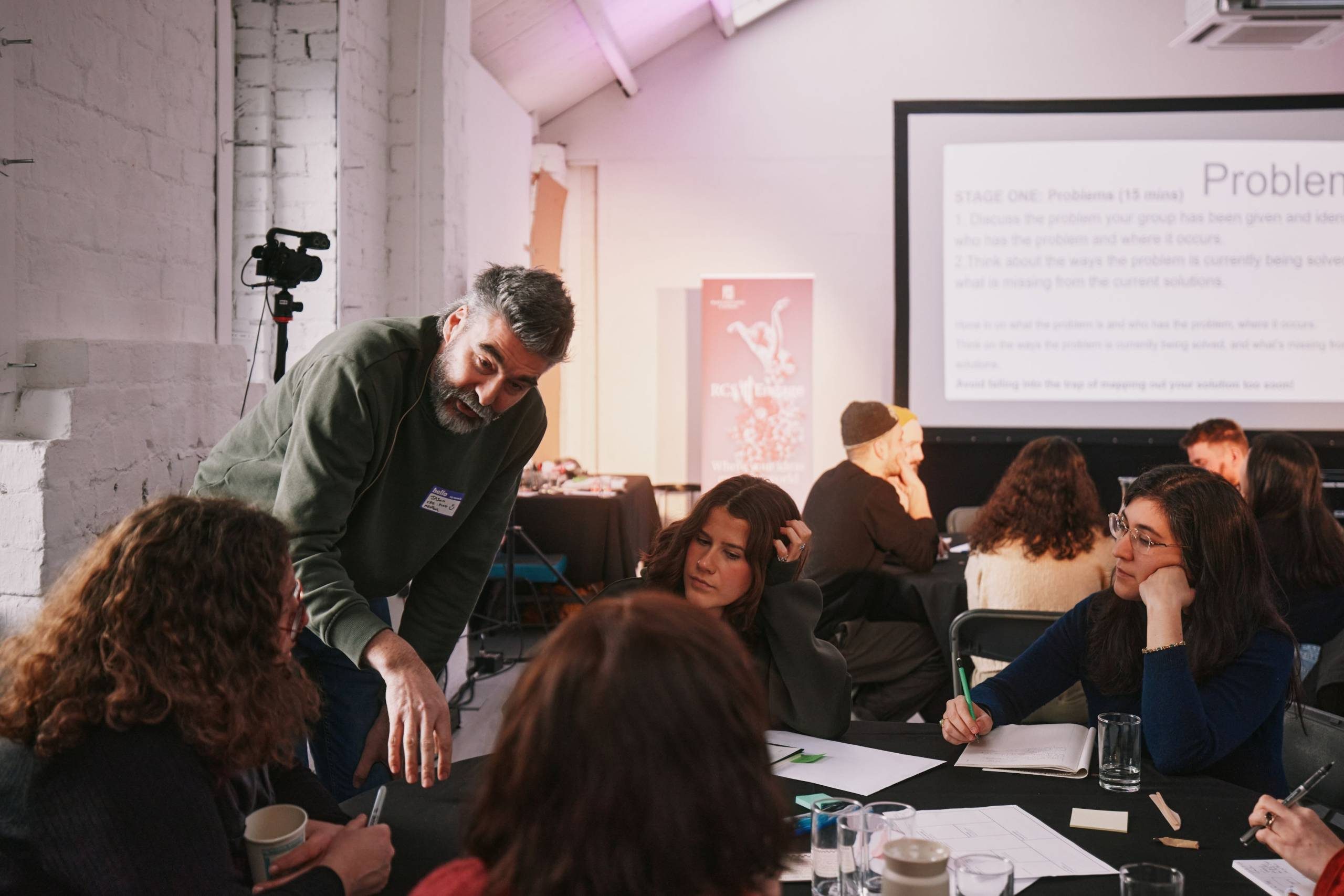
A highlight for many participants was the opportunity to test their ideas with mentors and peers, who acted as critical friends offering fast, constructive feedback. This immediate input allowed participants to iterate quickly, refine concepts on the spot, and adopt a startup-like mindset within a highly collaborative environment.
Following the pitches, our industry judging panel, consisting of Gillian Easson (Executive Director, Creative Dundee), Neil McGuire (Co-Director, ArchiFringe), and Jazz Hutsby (RCS Lighting Tutor & Creative Technologist), awarded micro-commissions to six projects to develop their ideas further.
£2,000 pitch awards went to Afterlight by Lauren Hall, The Only Witness by Lok Pui Lo, Nightbox by Martin O’Neill, and Root Signal by Ashlynn White, Jamie Wardrop, John Darvell, Jung In Jung & Lewis Wardrop.
£1,000 partner awards went to Line of Sight by Madeline Squire and The Glass Cage by Stephanie Lamprea. Full project details are included at the end of this article.
Beyond Split Screen: Building Lasting Impact
The first iteration of Split Screen revealed a gap in the provision of dedicated spaces where creative professionals can collaboratively explore the potential of emerging technologies.
Delivered in alignment with the aims of Innovation Studio to support and expand networks between performing arts and creative technology communities, Split Screen offered practical ways for participants to integrate digital innovation into their practice.
The success of the programme further highlights the Conservatoire’s convening power to bring together arts organisations, freelance practitioners, digital experts, and leading voices from across the creative industries, strengthening partnerships across Scotland and beyond.
Rosemary James-Beith, Executive Director of Creative Glasgow, said: “Through Split Screen, RCS Innovation Studio created a truly inspiring opportunity to engage with new technologies and develop innovative creative work in a safe and supportive community of practice.
“By contributing to the project, our capacity to connect our membership community to networks, knowledge, skills, resources, and ambition in this area has grown exponentially. Our experience as a project partner will undoubtedly have long-lasting positive impacts on our work in the city.”
Ruth Oliver, VP Strategic Partnerships at CodeBase, said: “We’ve been delighted to work with the Royal Conservatoire of Scotland to deliver the Split Screen programme. It’s been inspiring to see such a diverse group of creative practitioners engage with entrepreneurial tools and approaches, exploring how their expertise could evolve into products with wider reach.
“At CodeBase, we support people to turn ideas into opportunities, and programmes like this create valuable space for experimentation – giving participants the confidence to test ideas, understand their audiences, and shape new possibilities from their creative practice.”
Split Screen Pitch Awards
Afterlight – Lauren Hall (Lecturer in Arts with Community at RCS)
Afterlight will be an immersive educational experience for secondary school students, designed to open meaningful conversations about grief and loss.
Through interactive gameplay, it will explore the emotional cycles of grief in a safe, creative space, helping young people build emotional literacy, resilience, and preparedness for an experience that touches every life.
Lauren said: “Receiving the Split Screen award gives me the opportunity to begin meaningful conversations with young people who have experienced bereavement and co‑design a game environment that reflects their realities with care.”
“It also supports collaboration with educators, exploring how digital tools can support them in navigating discussions about death and grief in the classroom with greater confidence.”
The Only Witness – Lok Pui Lo (Festival & Event Producer and Multi-disciplinary Artist)
Lok Pui Lo pitched an immersive investigation experience where players enter a fictional tech company to uncover the death of an AI researcher. As they piece together tangible evidence and question an AI witness, they begin to realise that the system itself may be reshaping the story.
In a time when AI is increasingly embedded in everyday life, the work invites audiences to question what we trust and to recognise that AI is not neutral, nor always the truth.
Lok said: “I’ve always loved detective games and investigative storytelling, but I never imagined this fascination could evolve into a project so closely aligned with my creative practice.”
“This award gives me the opportunity to explore that intersection seriously and transform a personal interest into a playful, immersive work that opens up deeper conversations about ethical questions surrounding AI and truth.”
Nightbox – Martin O’Neill (Artistic Director, The Stove Network)
Nightbox is a new night-time immersive artwork exploring how memory lives within place. The project will use luminous listening devices that emit fragments of sound drawn from shared recollections gathered collaboratively with communities.
Participants are invited to walk, listen, and return displaced artefacts to where they belong, briefly reawakening the emotional traces of spaces that have shaped people’s lives before they fade again into silence.
Martin said: “My time with Split Screen and this award support a deeper exploration of immersive experiences and creative technology as tools for meaningful, grassroots engagement.”
“It marks an emerging alignment in my practice between technological innovation and cultural advocacy, developing work that values both rigorous process and high artistic quality.”
Root Signal – Ashlynn White (Sound Artist & DJ), Jamie Wardrop (Artist & Designer), John Darvell (Choreographer & Digital Artist), Jung In Jung (Sound Artist & Researcher), Lewis Wardrop (Film Producer)
Root Signal proposes an immersive multimedia promenade-style performance that places audiences inside the threatened Atlantic Rainforest in Argyll.
Through dance, storytelling, and evolving visuals and sound, the work reveals hidden signals and connections within this rare woodland ecosystem while exploring our changing relationship with nature, technology, and each other.
The team said: “We plan to spend a day in the Atlantic Rainforest in Argyll, gathering ecological data, sounds and visual references from the landscape. We will then spend a second day in a studio to test and prototype elements of the performance, exploring movement, visuals and sound.”
“This research and development will generate material to support applications for further funding to develop the work for future public performances.”
Split Screen Partner Awards
Line of Sight – Madeline Squire (Dancer & Choreographer)
Madeline Squire, in collaboration with Nicholas Shoesmith and Edward Hiscox, will develop a dance film that places the viewer in the driving seat of the performance. Using an FPV drone, the camera will weave between limbs, creating a sense of surveillance while interrupting moments of privacy and intimacy.
This approach immerses the audience in the choreography and expands accessibility by bringing viewers closer to the physical and emotional experience of dance through film.
Madeline said: “During my time at Split Screen, I realised that dance on screen can often feel predictable. Inspired to flip this, we will research and test whether the drone’s flight path can shape the choreographic language and create a more immersive and engaging way to experience dance on screen.”
The Glass Cage – Stephanie Lamprea (Vocalist, Composer & Multidisciplinary Artist)
The Glass Cage proposal is an interdisciplinary one-woman opera being co-developed by vocalist-composer Stephanie Lamprea and real-time visual artist Kirsty Anderson. The opera will incorporate live-processed operatic vocals, electronics, and real-time audio and spatial interaction with video projection.
The work reimagines the 21st-century operatic voice through digital vocal transformation and modern composition, creating a technologically innovative and embodied operatic experience.
Stephanie said: “This Split Screen award makes it possible for me to take a new step forward in my career as a composer and vocalist. It gives me the time and access to technological resources to explore new ways of embodying technology and physicality in my practice.”