Alumni Spotlight: Beth Taylor (BMus Performance Voice, 2016 & MMus Performance Voice, 2018)

Tell us about your background
I’m from Glasgow, and I’ve always had a strong connection to music and performing, though I could not read music until I was sixteen years old; I always had an ear for it. I remember early on in primary school always enjoying singing in school concerts, choirs, the odd solo here and there and on one occasion, a day trip to see the local orchestra (RSNO) perform with all the central belt schools.
My mum always had music on in the house and in the car on long drives. I grew up with my mum, brother and sister just outside Glasgow in the countryside and I was very outdoorsy and quite an outgoing spirit. It took me a while to meet my closest friends but once I did, I never let them go.
I assumed for a long time I would go into further study and work in earth sciences and conservation (my other great love). I had a great appetite for trying new things (rarely excelling but always enthusiastic), so it was a very long time before I felt music could be my one big passion. Once I made that decision, I put both feet in and have given it everything I have.
What sparked your love of singing?
I’ve always loved music and the ability it has to communicate emotion, open discussion and tell stories. My mum is a natural performer with a real talent for comedy. There are various members of my family who actively engage with music on a regular basis; singing in choirs, bands, traditional instruments etc.
I developed a particular fondness for classical singing when my grandpa would play CDs, tapes and radio broadcasts of singers like Emma Kirkby, Marilyn Horne and Andreas Scholl.
These were the three earliest voices I remember, but there were many more of course! I knew very early on that I did not enjoy singing (or even listening to) pop or most other contemporary music. I often tried at friends’ parties, nights out and school discos – but I just didn’t get the same feelings from it that my friends did.
How did your time at RCS prepare you for the world of work?
My time at RCS gave me an incredibly important foundation, both musically and personally. It helped me develop my technique, confidence and artistic identity, whilst also teaching me the discipline and resilience needed for a career in the performing arts.
Though it goes without saying you get what you put in and you do have to continue to build on work, experience and presence outside of the building, the opportunities to work with inspiring teachers, musicians and fellow students prepared me for the collaborative nature of the professional world.
Above all, effective administrative management, efficient practice, score study and establishing your artistic identity within a collaborative circle are the most important skills and RCS was very good at emphasising this from the start.
I also developed a huge part of my identity as a community musician and still take great pride in my knowledge and skills within that practice; in music and medicine, therapeutic practice, ASN education and disability advocacy.
I read current literature and try to stay up to date with the work being done here in the UK in ensuring music remains and grows as an accessible artform and open to all. I am looking forward to blending these parts of my training into my performing practice as time goes on.
What was it like studying in Glasgow?
Glasgow is home for me, so studying there was particularly special. It’s a city with such a rich musical and cultural life, and I love still being part of its creative community now living in East Kilbride. Many of my friends have stayed in Scotland and work for the RSNO, SCO, Scottish Opera, Edinburgh Festivals, Cumnock Tryst and so much more.
The atmosphere, the people and the richness in ‘good turns’ as we say, makes all the difference. You only need to look at how Glaswegians band together in moments of tragedy and crisis (like the helicopter crash at the Clutha in 2013) to see what we’re made of.
RCS provided a supportive environment where I could grow as a musician, meet like-minded people and develop friendships and professional connections that have stayed with me, whilst also maintaining the humility of being a student, with a lot yet to discover and offer up to the world. I also met my husband there 14 years ago (and still in our teens) which is also a pretty significant moment.
What have you been working on since you graduated?
Since graduating, I’ve been fortunate to work with many wonderful opera companies and orchestras internationally.
I’ve performed in places like Covent Garden, Carnegie Hall, Glyndebourne Festival, Opéra de Lyon, the BBC Proms, Opéra de Lorraine, Deutsche Oper Berlin, Festival d’Aix-en-Provence, Oper Frankfurt and Oper Zurich, alongside numerous concert performances at major venues and festivals with the LA Philharmonic, Vienna Philharmonic, BRSO, Berlin Philharmonic, Ensemble Pygmalion, The English Concert, Les Siècles, La Cetra and many, many more.
I am inspired in every project by my colleagues, old friends and new and blown away by some of the names now on my CV that I never imagined I’d share a rehearsal room with!
I’ve also continued working on expanding my repertoire, which is one of the most exciting aspects of this career. Loving discovery, mistakes and pathways through a developing voice is key to enjoying the job! I’m excited about a few upcoming projects that may surprise a lot of people into just how expansive we can be with our voices when used carefully with the right team of people.
Any career highlights you’d like to share?
There have been too many special moments! I must sound like a broken record or even at times insincere when I say I love my work and its everyday opportunities for joy – but I mean it!
The big moments of performance, applause and kind comments from audience members mean so much. But so do moments like opening a new work for the first time with a blank slate, hearing a new favourite interpretation and wondering how you lived without it before, or reading a new contemporary perspective on what it is to be a musician that makes you question everything and celebrate such an unknown quantity of possibility.
These are gifts we are lucky enough to have whenever we choose and commit to this craft, regardless of whether there is immediate accolade or sense of perceived ‘success’.
The end goal and results do sometimes take years, so it’s important to enjoy the gifts presented along the way and to celebrate every little step forward on your path or step back in order to reassess and move on in the way that works best for you and your artistry.
Photo credits
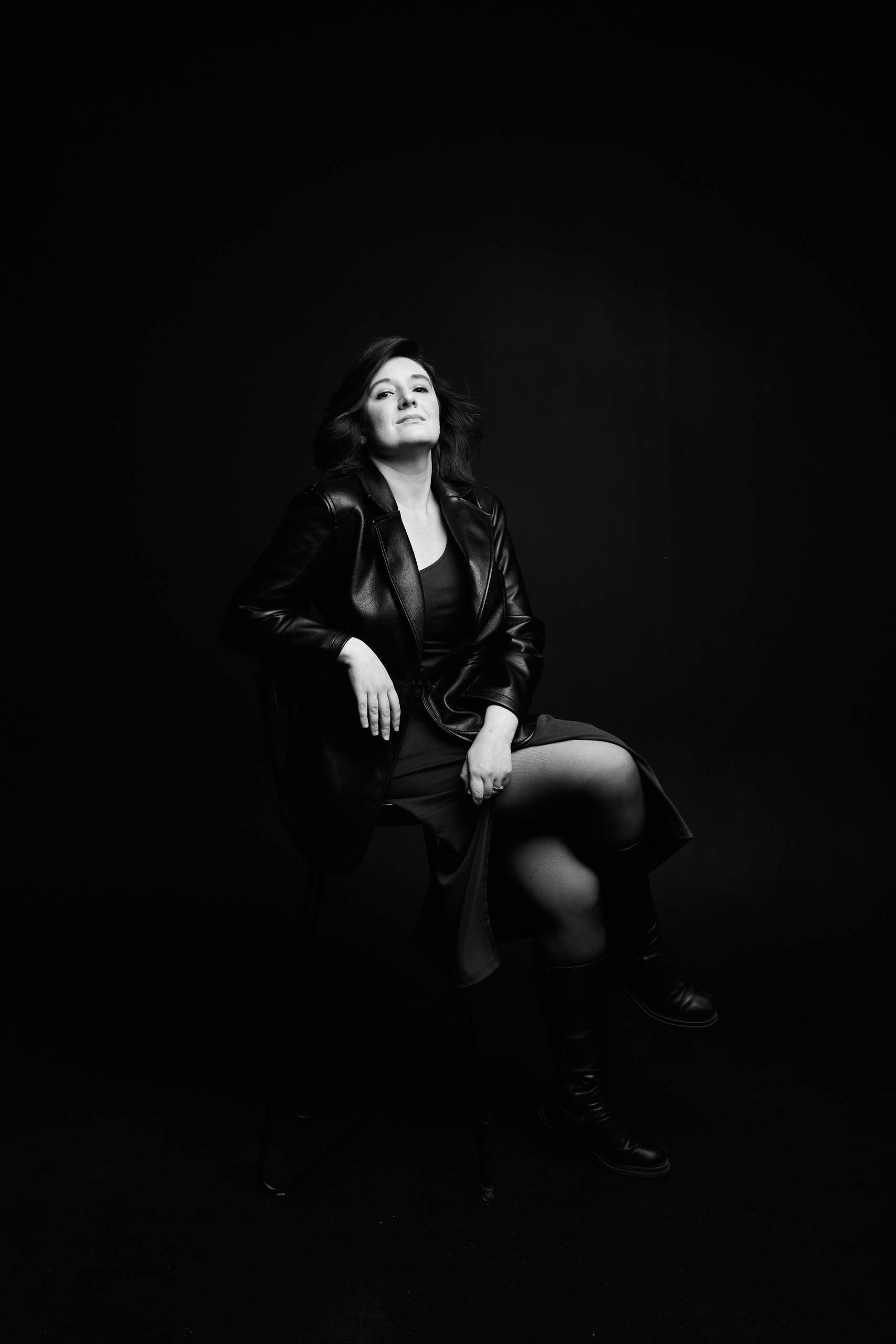
1: Olivia da Costa
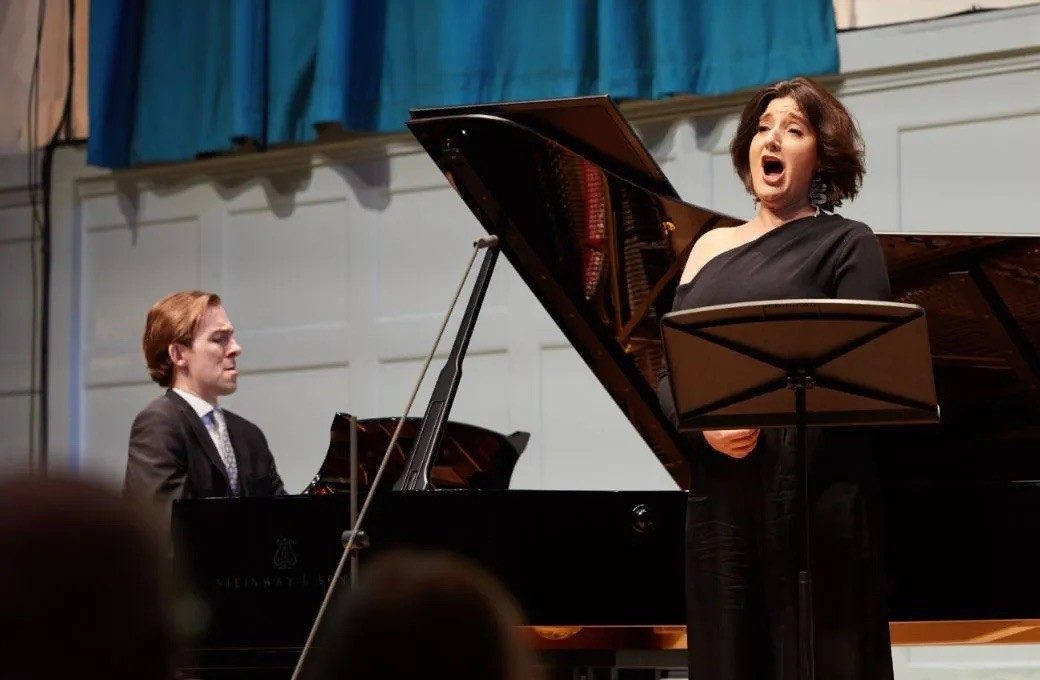
2: Edinburgh International Festival debut, 2026 with Hamish Brown (piano), photo by Andrew Perry
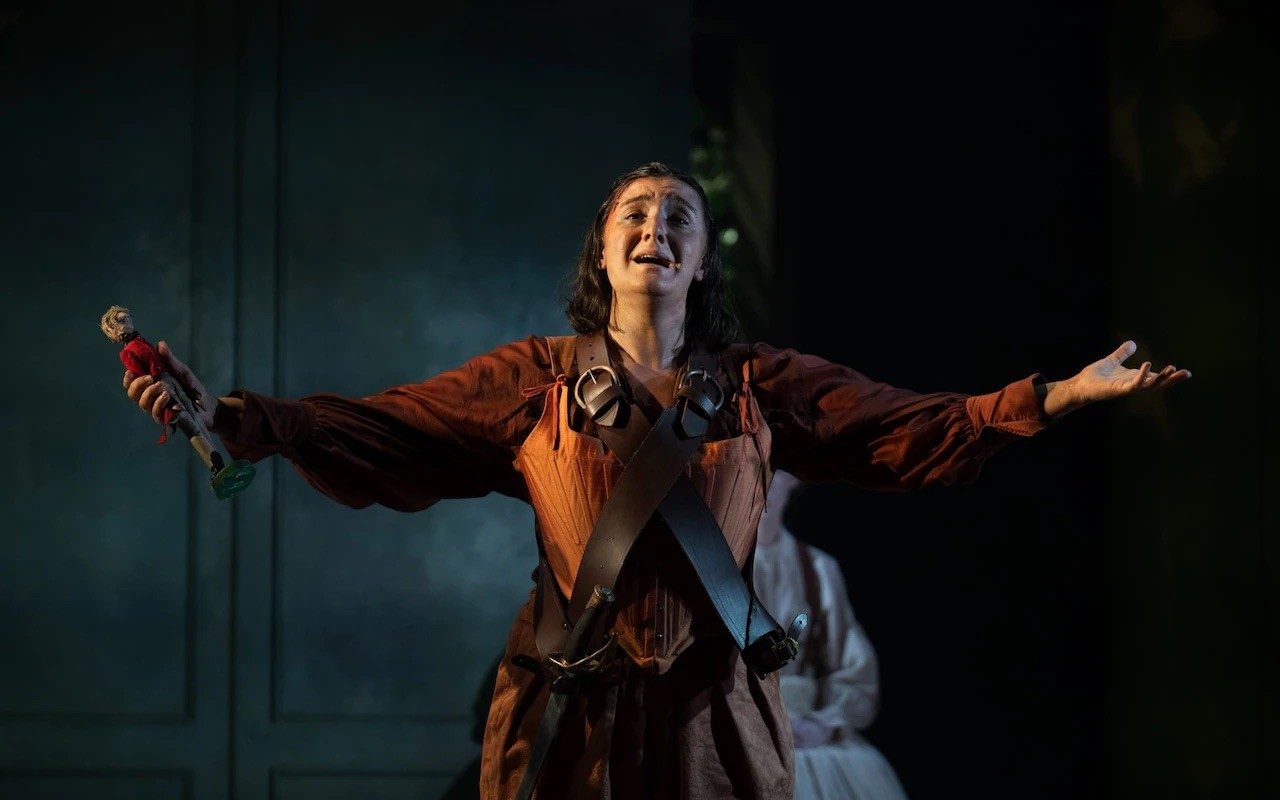
3: Handel’s Orlando at Longborough Festival Opera 2026, photo by Matthew Williams-Ellis
4: Self portrait