From Ukraine to Glasgow: The Social Hub scholarship that gave Artem Tereshchenko the freedom to follow his own path

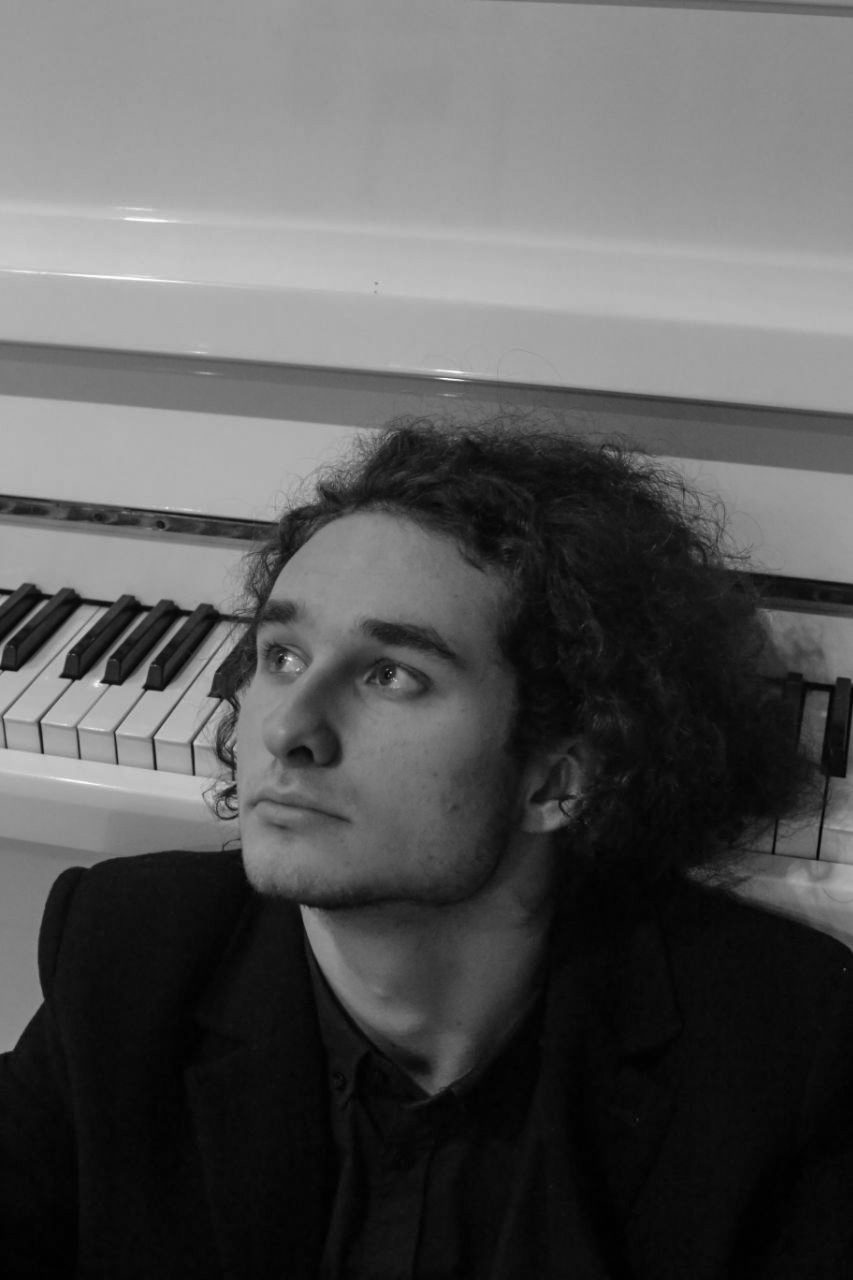
When Ukrainian pianist Artem Tereshchenko arrived in Glasgow, he was searching for more than a place to study music – he wanted the freedom to develop as an artist on his own terms.
Now, thanks to a Changemaker Scholarship from TSH Talent Foundation (powered by The Social Hub), the Royal Conservatoire of Scotland (RCS) student is doing exactly that.
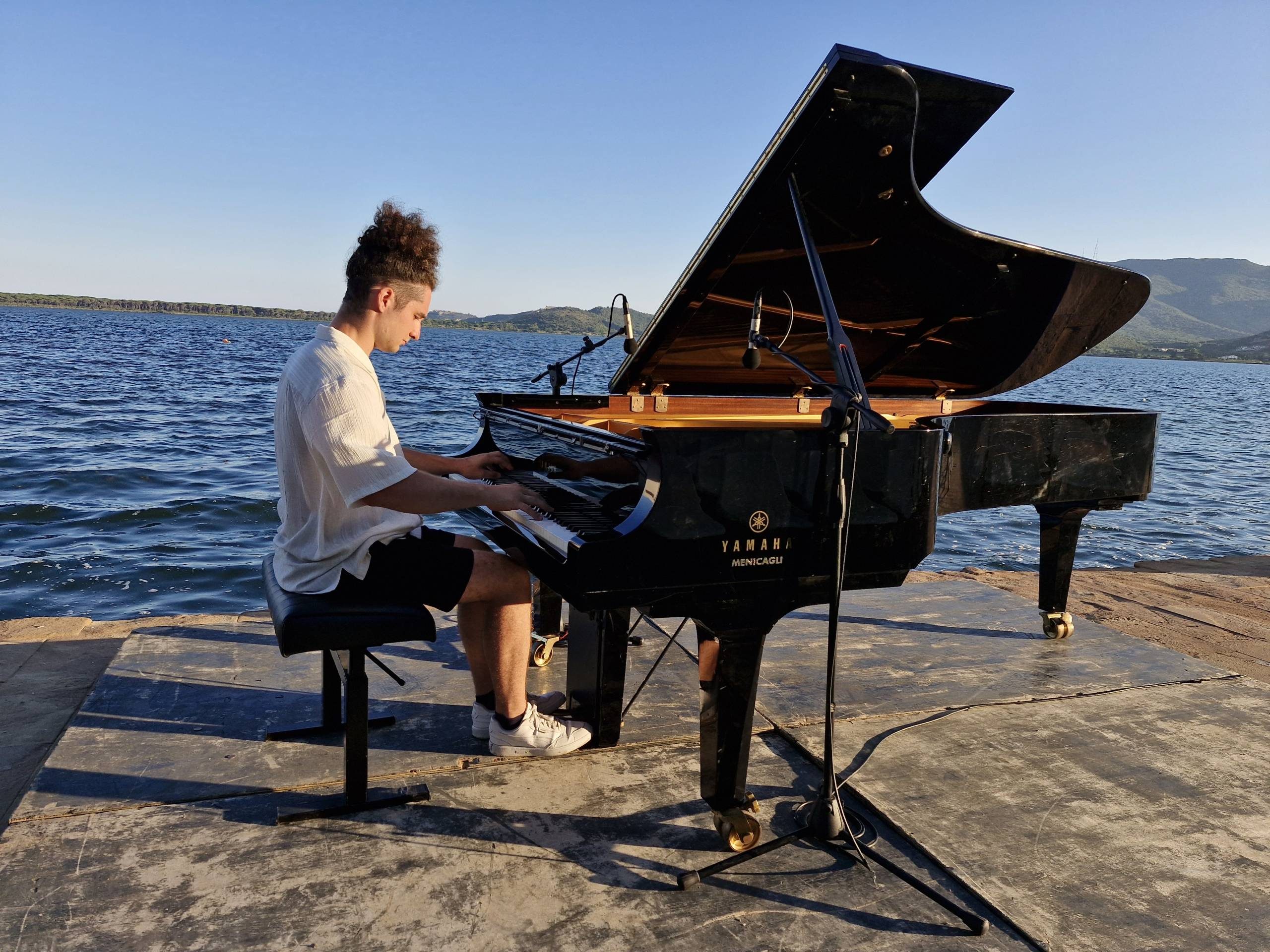
Artem, who is studying on a two-year master’s degree in Piano Performance, is pursuing his musical ambitions while building a life in Glasgow that would otherwise have been out of reach.
The scholarship, which provides a year’s free accommodation at The Social Hub Glasgow alongside mentoring and personal development opportunities, removed one of the biggest barriers to studying abroad. It has given Artem the space and time to focus on his studies without the pressure of financial uncertainty.
Having trained in Ukraine and Lithuania, Artem came to Glasgow looking for a place where he could explore music beyond traditional classical boundaries, from jazz improvisation to electronic.
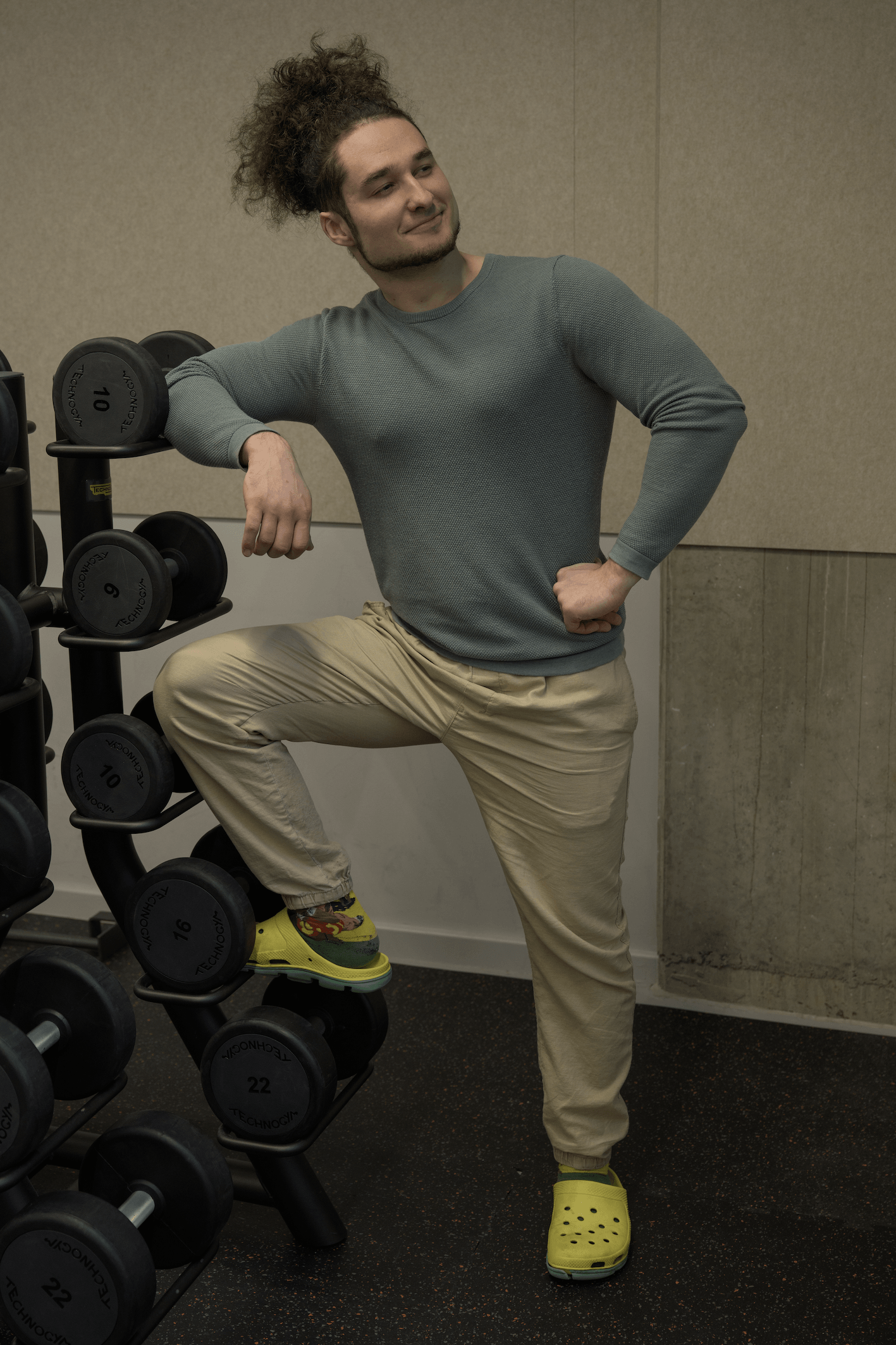
Away from the piano, he is also a keen bodybuilder and mountain biker and sharing those passions alongside his music has helped him build a growing social media presence, with his videos attracting millions of views across his channels.
Here, Artem reflects on his journey so far and shares how support from The Social Hub Talent Foundation has opened the door to an exciting new future.
Tell us a little about yourself and how you got into music
I’m from Ukraine and come from quite a musical family. My grandmother is the head of a music school – so I had no chance, really!
I think my profession was decided before I even realised it. There’s a photo of me aged one or two where I’m sitting at a piano, trying to reach the keys!
You studied at college in Lithuania before moving to Scotland. What drew you to studying at RCS?
I wanted to start studying more seriously, and I needed a community around me – more artistic people and more freedom – because I was never such a classical person. I like different kinds of music and different genres, and that’s how I found RCS.
I asked my teacher in Lithuania about studying in Great Britain because he had worked in London. He put me in touch with the Royal Conservatoire, and I had a call with a professor. I told him about my interests and hobbies, and he said Glasgow is the place for me.
I’m so happy he told me to come here because there are so many talented musicians around me and so many different music genres. I’m not limited at all. It is a very welcoming place and I’m very happy and inspired to be here.
You’re a Changemaker Scholarship recipient from The Social Hub x TSH Talent Foundation – what has that support meant to you?
It is amazing and I’m so grateful – I wouldn’t have been able to come to Glasgow without the scholarship.
It has been such a great experience for me. I’ve been living at The Social Hub Glasgow for a whole year and have been given an extension until the end of August.
I wouldn’t have been able to afford to live in Glasgow as accommodation in the city is expensive compared to the places I’ve lived before.
It would have been difficult to focus so much on my studies because I would have had to work to support myself and survive. There was a period of three months where I didn’t miss a single day of practicing and was doing around seven hours on average. That wouldn’t have been possible if I’d had to go to a job.
The Social Hub has everything I need, including a gym. I have so little free time, I can wake up and go straight to the gym before coming to RCS.
The scholarship also includes mentorship – how has that benefited you?
My mentor was Zander Murray, and we spoke like friends. We would also go to the gym together, which was so fun.
He also helped me a lot with promotion for my career and asked why I wasn’t uploading videos of my performances to social media.
I had uploaded some videos and vlogs before and they were quite popular, but they were for extreme mountain biking.
He gave me a plan of posting videos twice a week, so I did, and now I’ve reached a total of more than one million views. I didn’t expect that I could do something like that for classical music, but now I see that it’s possible.
What opportunities have you received at RCS?
All the teachers here are very creative and talented, and easygoing. If I want to play something that isn’t ordinary classical repertoire, or if I want to learn improvisation or play the drums, I’m not limited at all.
I’ve had two modules about electronic music and performed in a concert where I played an electro-acoustic composition. It was a live recording from microphones, a looper with lots of layers and sounds, and then I improvised over it.
That was very fun for me and different to the style of learning I experienced before, where I had an exam every two months and spent all my time preparing half an hour of classical repertoire. Here, I learn just as much classical music, but I also learn other styles.
I also took a jazz module, taught by Peter Johnstone, who is so inspiring. At the end of the semester he told me, “You need to go up on stage,” so I played at the Butterfly and Pig and jammed with all the RCS jazz students.
I found a friend here who is also Ukrainian and a pianist, and we improvise together at least two or three times a week, sometimes more.
How has your training evolved at RCS?
My teacher is Petras Geniušas, who is a renowned classical pianist, but he also performs jazz and improvisation. For my last classical exam, he suggested that I improvise, so I performed Gershwin’s Preludes and music from Songbook. The jury liked it and gave me a good review.
I’m really grateful for my teachers. The support at RCS is amazing.
I’ve also taken part in Culture Code concerts (an ensemble founded by RCS students from Ukraine) where I discovered music by Ukrainian composers I had never played before.
Before, I was taught mostly the famous classical repertoire, but now I’ve discovered a whole new side of Ukrainian music.
What projects are you working on now?
Recently, I got a Nord Stage keyboard. It’s one of the best synthesisers in the world. It has very high-quality piano sounds and also a large synth section. I’m going to try to learn everything on it.
I recently presented a concert called The Time Machine. The concept was to play music from different periods, starting with Baroque music, then Classicism, Romanticism and the 20th century. I played some early jazz, Gershwin and then my own arrangements of rock songs.
Now, with this synthesiser, I can extend that concept even more and bring it into modern music. I want to get my improvisation and electronic music skills to the same level as my classical skills.
Looking ahead, what excites you most?
I finally feel that I’ve found what I want to become and what I want to learn.
I want to become a really good musician. I want to understand music, understand how to create music and all the processes inside it.
Before, I was taught just to be a pianist, to be a perfect performer, to do everything correctly. And now it’s totally different. I love it so much. Now, I have so many different styles and genres to discover.

Overcoming obstacles to embrace opportunity: about the Changemaker Scholarship from The Social Hub x TSH Talent Foundation
Established in 2024 by The Social Hub, the TSH Talent Foundation is an independent non-profit committed to supporting changemakers around the world (students and professionals) through targeted programmes like Better Society Academy and the Changemaker Scholarship Programme.
With the belief that opportunity is a right, not a privilege, The Social Hub proudly commits 1% of its global revenue to the TSH Talent Foundation every year.
As one of the foundation’s flagship programmes, the Changemaker Scholarship opens doors for talented students who have the potential and ambition to be a changemaker, but face barriers that make it difficult to achieve their goals.
The one-year programme makes it possible to pursue higher education that would otherwise be difficult due to financial or societal constraints.
The scholarship provides a range of opportunities and resources, including accommodation and development, with up to one year of housing in one of The Social Hub’s European locations, with all associated facilities, and access to professional development and upskilling.
Students work with a personal coach from the The Social Hub community who acts as a mentor and can engage in volunteer work, take part in social and cultural events, and work on physical and mental wellbeing through gym membership and counselling.
Following their studies, they become part of the Changemaker alumni community and wider professional network of The Social Hub.