New report confirms Royal Conservatoire of Scotland as the engine room of Scotland's £5.7 billion creative industries – underlining the Conservatoire’s status as a strategic economic asset

Independent analysis shows RCS generates £5 economic and social benefit for every £1 of public funding
New report shows RCS delivers £64.4 million in economic value for Scotland each year – including £47.8m GVA and 1,505 jobs in Glasgow alone
Underlines RCS position as a world-leading conservatoire – ranked in the top 10 QS World University Rankings ten times since the rankings were introduced in 2016
The Royal Conservatoire of Scotland (RCS) – recognised as one of the world’s leading performing arts conservatoires – generates £5 in economic and social value for every £1 of public funding it receives, according to a new independent report published today.
The Economic and Wellbeing Impact Assessment, carried out by BiGGAR Economics, finds that RCS contributed £64.4 million in Gross Value Added (GVA) to the Scottish economy and supported 1,650 jobs in 2024/25.
Alongside this, the report puts a monetary value on the wellbeing generated by RCS for students, graduates, staff and audiences, worth a further £16.3 million.
Overall, for every £1 of public funding, RCS generates £4 in economic impact and an additional £1 in wellbeing benefits for the Scottish economy.
Key findings
- RCS generated £64.4 million GVA and supported 1,650 jobs across Scotland in 2024/25, of which 74% was concentrated in Glasgow.
- The wellbeing contribution of RCS, measured using the UK Treasury’s WELLBY methodology, was valued at £16.3 million, covering students, graduates, staff, young musicians and audiences.
- Over 60% of surveyed RCS graduates go on to self-employment or start their own businesses (HESA 23/24 survey) well above the UK graduate average of between 5 and 12 per cent, underlining the conservatoire’s role as an entrepreneurial engine for Scotland’s creative economy.
- More than 40,000 tickets were sold for RCS performances and events in 2024/25.
- RCS worked with 3187 pupils, students, teachers, communities, families and care givers across 28 of Scotland’s local council areas via its Transitions programme, Widening Access to the Creative Industries (WACI) outreach, targeted and specialist Fair Access activity (e.g. supporting care experienced young people).
- RCS engaged with students from 72 secondary schools and 11 colleges in Scotland and 2 universities making a total of 83 formal education establishments.[1]
Professor Jeffrey Sharkey, Principal, Royal Conservatoire of Scotland said: “This new independent analysis puts a clear number on something we see every day – that RCS doesn’t simply identify and train the next generation of performers, we generate jobs, income and social benefits right across Scotland and well beyond from our studios and practice rooms in Glasgow.
“This report underlines the absolutely critical role RCS plays in powering Scotland’s £5.7 billion creative industries sector , and it does so while helping build the creative supercluster that is putting Glasgow and Scotland on the world stage.”
RCS’s importance to Scotland’s creative economy goes well beyond the value it generates directly.
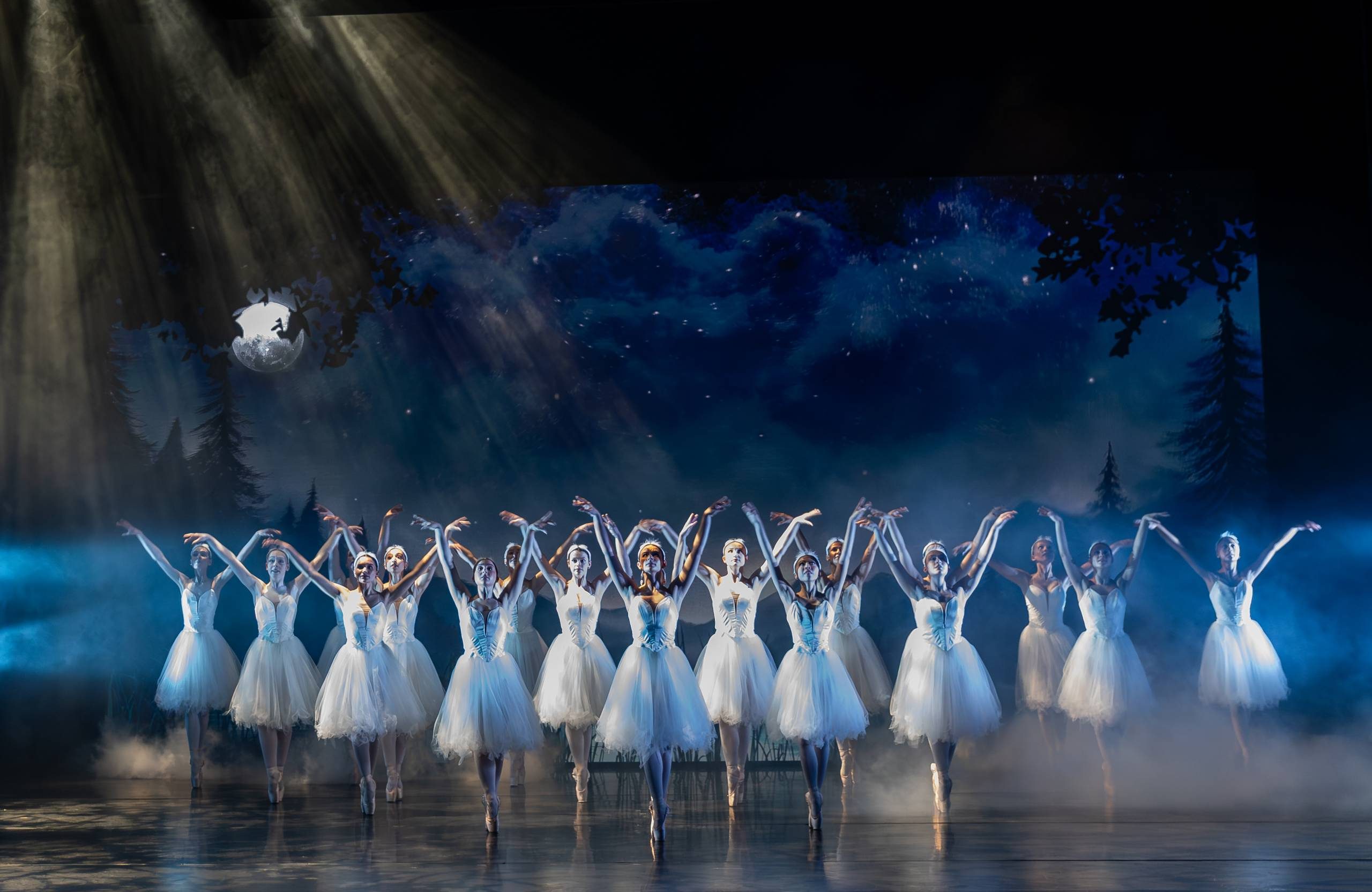
The report identifies RCS as a foundation of Glasgow’s wider creative cluster, sitting within two square miles of the city’s other leading cultural institutions, and as being part of the talent pipeline for Scotland’s National Performing Companies, including the Royal Scottish National Orchestra, Scottish Opera and Scottish Ballet, and the wider cultural sector.
With 41 per cent of graduates going directly into arts, entertainment and recreation roles, and 60 per cent registering as self-employed, RCS is supplying the workforce that keeps Scotland’s wider £5.7 billion arts, culture and creative industries sector staffed and growing.
RCS sustains formal partnerships with Scotland’s National Performing Companies, including the Royal Scottish National Orchestra, Scottish Opera, Scottish Ballet and the BBC Scottish Symphony Orchestra and acts as a central – and critical – talent pipeline for Scotland’s creative sector.
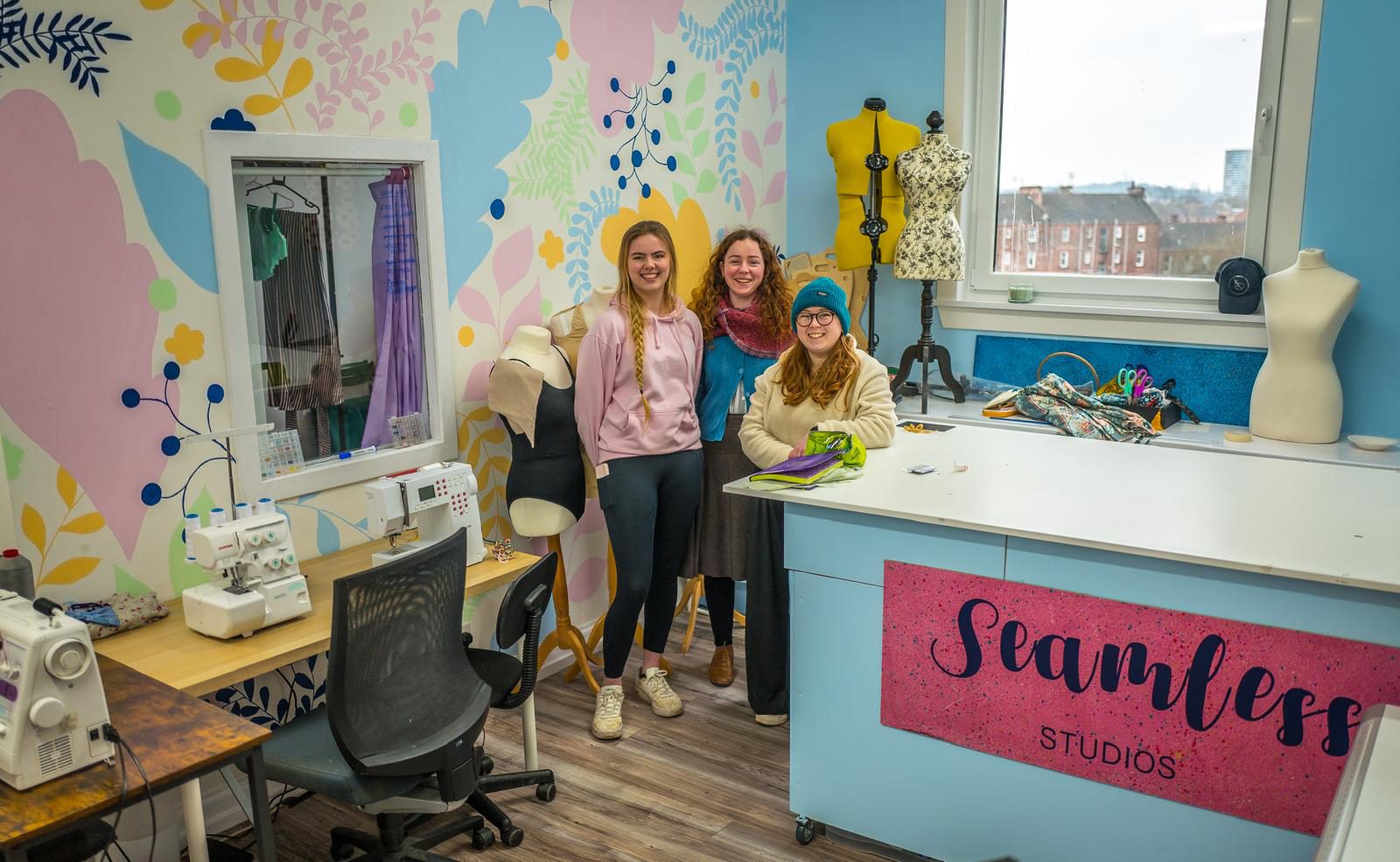
Case Study – Seamless Studios: Tailor Made for Success
Inez Callan, Francesca Rose and Beth Allnut studied costume construction at RCS and graduated together in 2024. With the encouragement of RCS tutors, they set up their own business, Seamless Studios, in Glasgow and have since provided costumes for various companies and venues including the Royal Edinburgh Military Tattoo, Glasgow’s Tron Theatre, Stirling’s Macrobert Centre, Inter Performing Arts and RCS.
They said: “The costume construction course at RCS gave us a great grounding in costume making and supervising. Our amazing tutors really guided us and their connections in the industry helped us to bridge the gap from students to professionals.
“We left RCS with a wide range of skills and experience which prepared us well for our work in the industry.”

Case Study – Ken Petrie: Putting Scotland on Screen
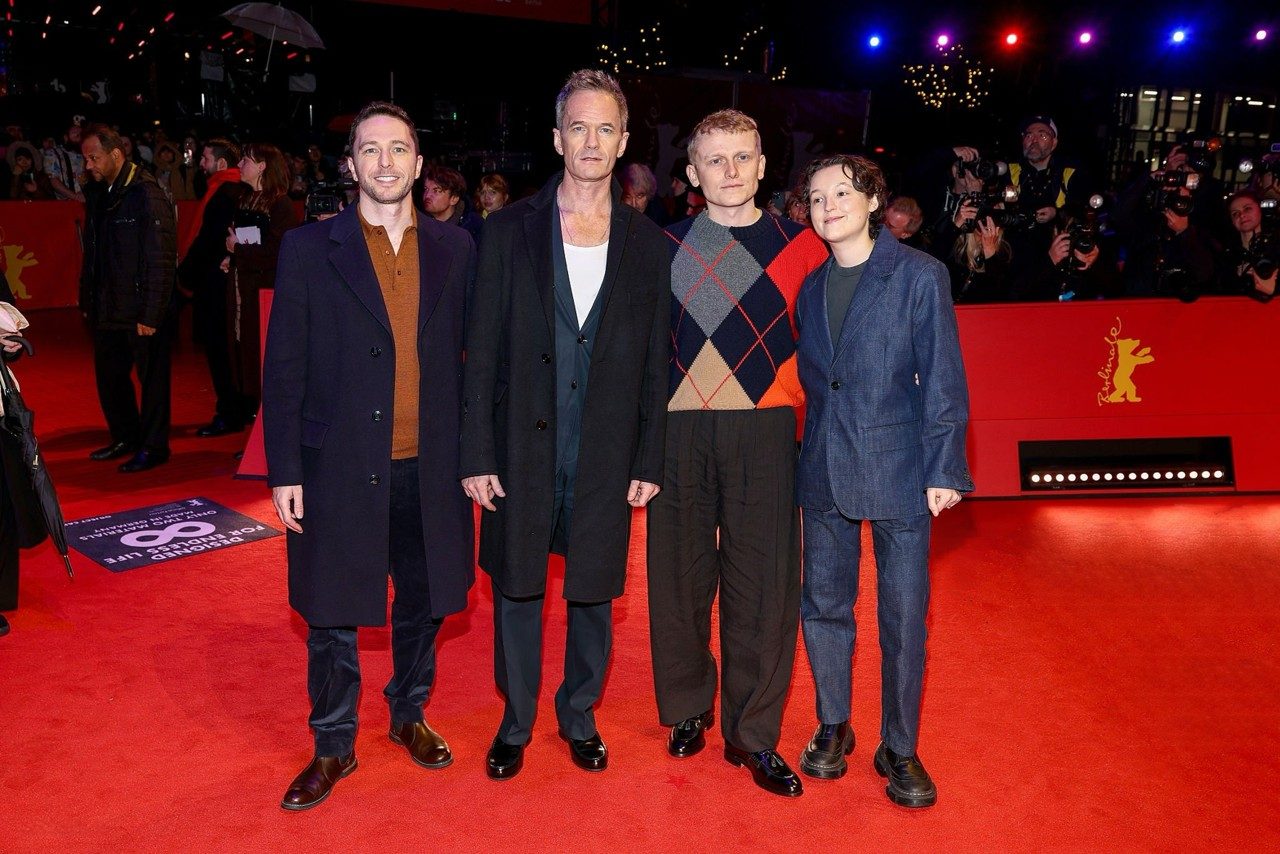
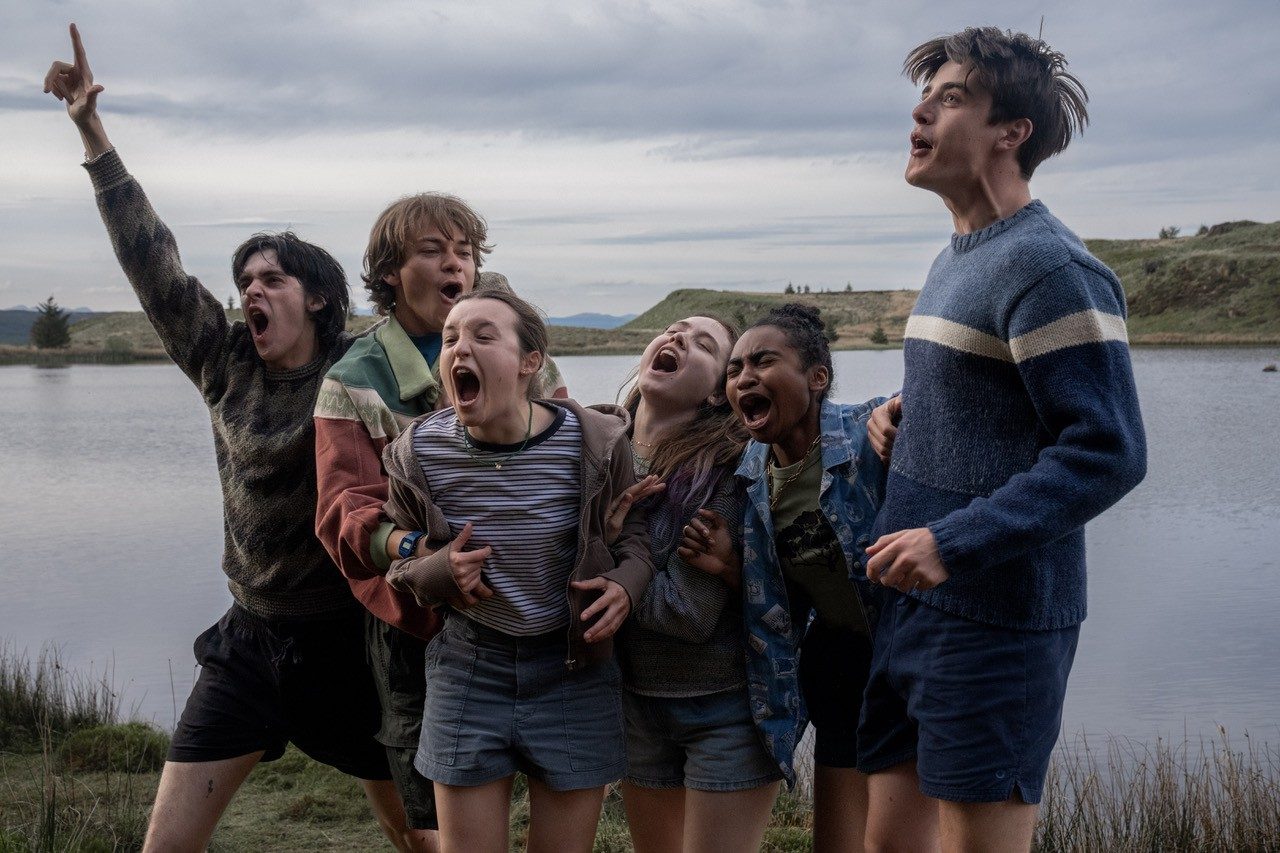
RCS graduate Ken Petrie is a film producer with his own Edinburgh-based film & TV production company, 27 Ten Productions. Its latest film, Sunny Dancer, starring Bella Ramsey and Neil Patrick Harris, was filmed in Scotland and is currently in cinemas.
Ken trained in Technical & Production Arts at RCS, subsequently touring with Prince and Coldplay, and now works in film and television as a producer.
Ken said: “As a producer, I use the skills I learned at RCS every day. I got hands-on experience in every department from wardrobe to scenic art to lighting etc.
“That gave me a base-line knowledge of the technical aspects of filmmaking so I’m able to understand what will help crews deliver their best.”

Case study – Audaciously Tenacious Theatre, an RCS-born success story
The BiGGAR Economics report highlights how RCS’s Creative Enterprise Development Office has supported RCS graduates such as Elizabeth Robbins and Chelsea Grace, co-founders of Audaciously Tenacious Theatre, a Glasgow-based theatre company committed to developing bold, imaginative new work that creates opportunities for early-career and working-class artists around Scotland.
Elizabeth and Grace have credited the Development Office’s support in helping them to launch their own company.
Chelsea said: “Our aim was to launch our own theatre company to generate work for ourselves and others. We wanted to take proactive, positive steps to create space for new, bold work.
“RCS’s support allowed us to build the foundations of our company, opening the door to conversations with other companies and venues, which has empowered and validated our continued development.”