Looking back at SHIFT 2026: New in-person event builds connections and collaborations

A new event brought emerging creatives, industry professionals and alumni together in Glasgow as part of SHIFT 2026, designed to strengthen connections and support collaboration across Scotland’s arts and cultural sector.
SHIFT, delivered in partnership by the Royal Conservatoire of Scotland, The Glasgow School of Art, and Queen Margaret University Edinburgh, is an intensive week-long online programme for creative arts students and recent graduates.
This year, an in-person gathering was introduced for networking, discussion and knowledge-sharing following recommendations from the SHIFT Evaluation Project Report, undertaken by Gradcore, earlier this year.
Now in its eighth year, SHIFT supports individuals with specialist skills and practices, helping them build sustainable careers and businesses around their work.
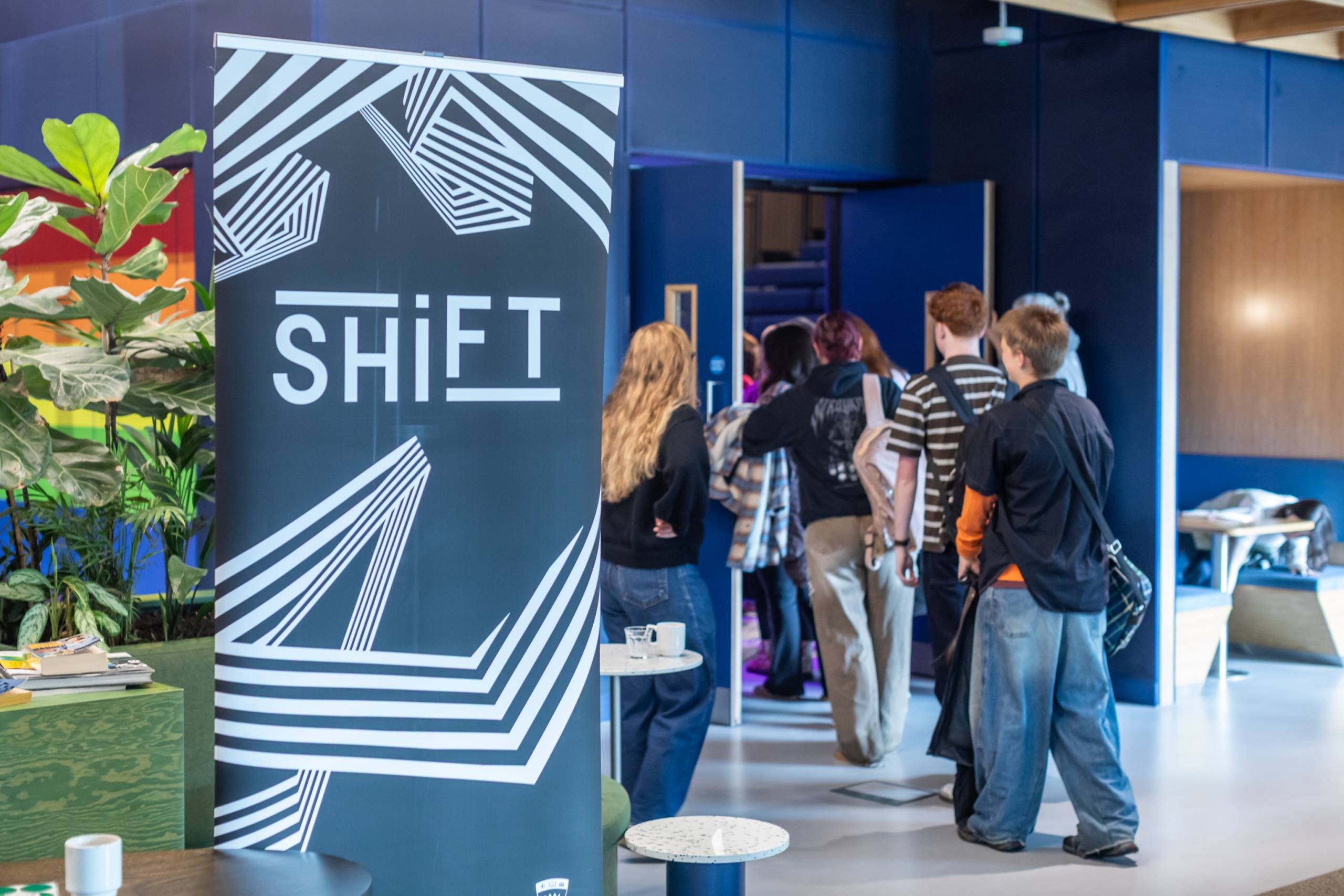
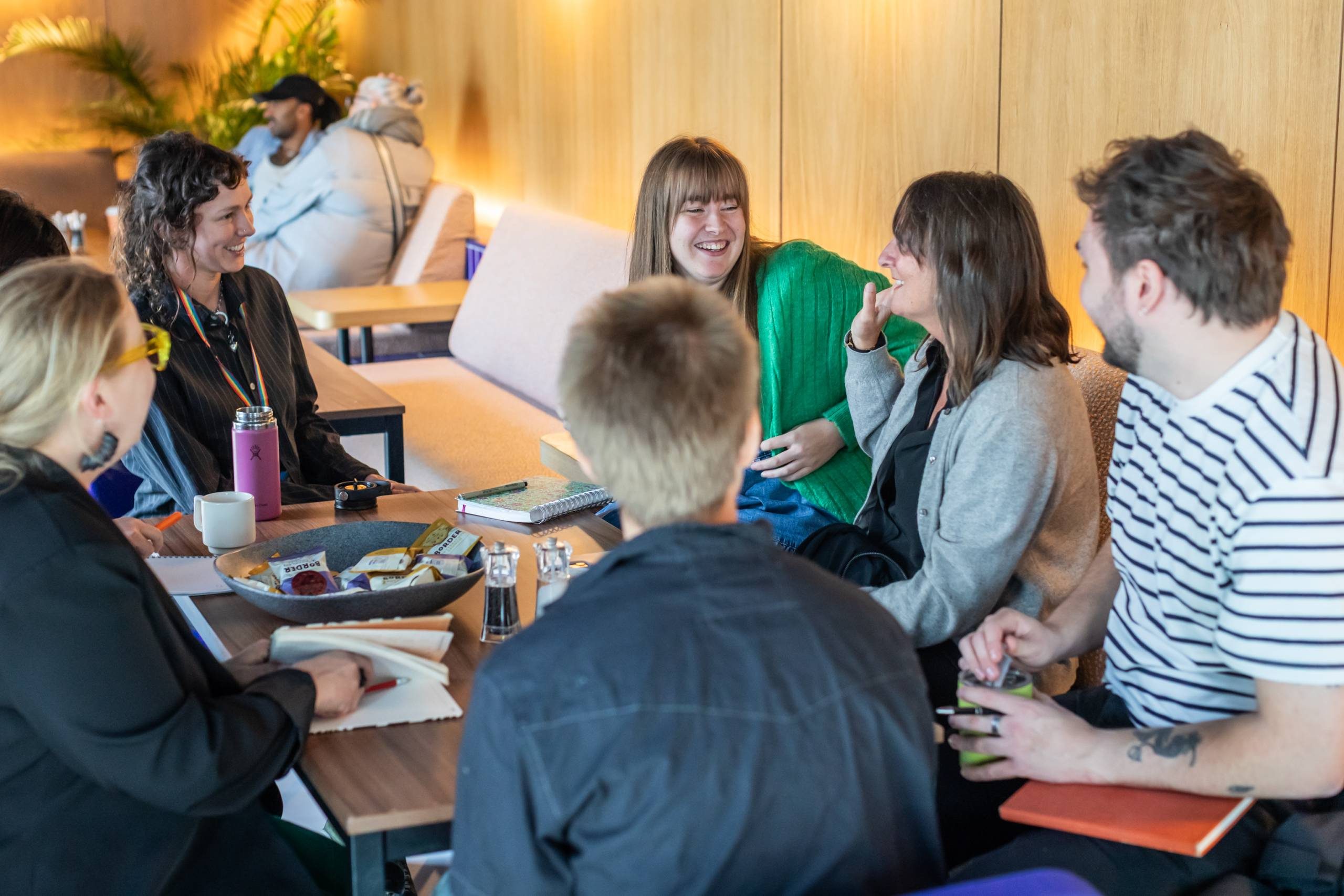
The event, held on SHIFT’s final day, offered a space for deeper conversations and relationship-building amongst participants and professionals who shared their expertise throughout the week.
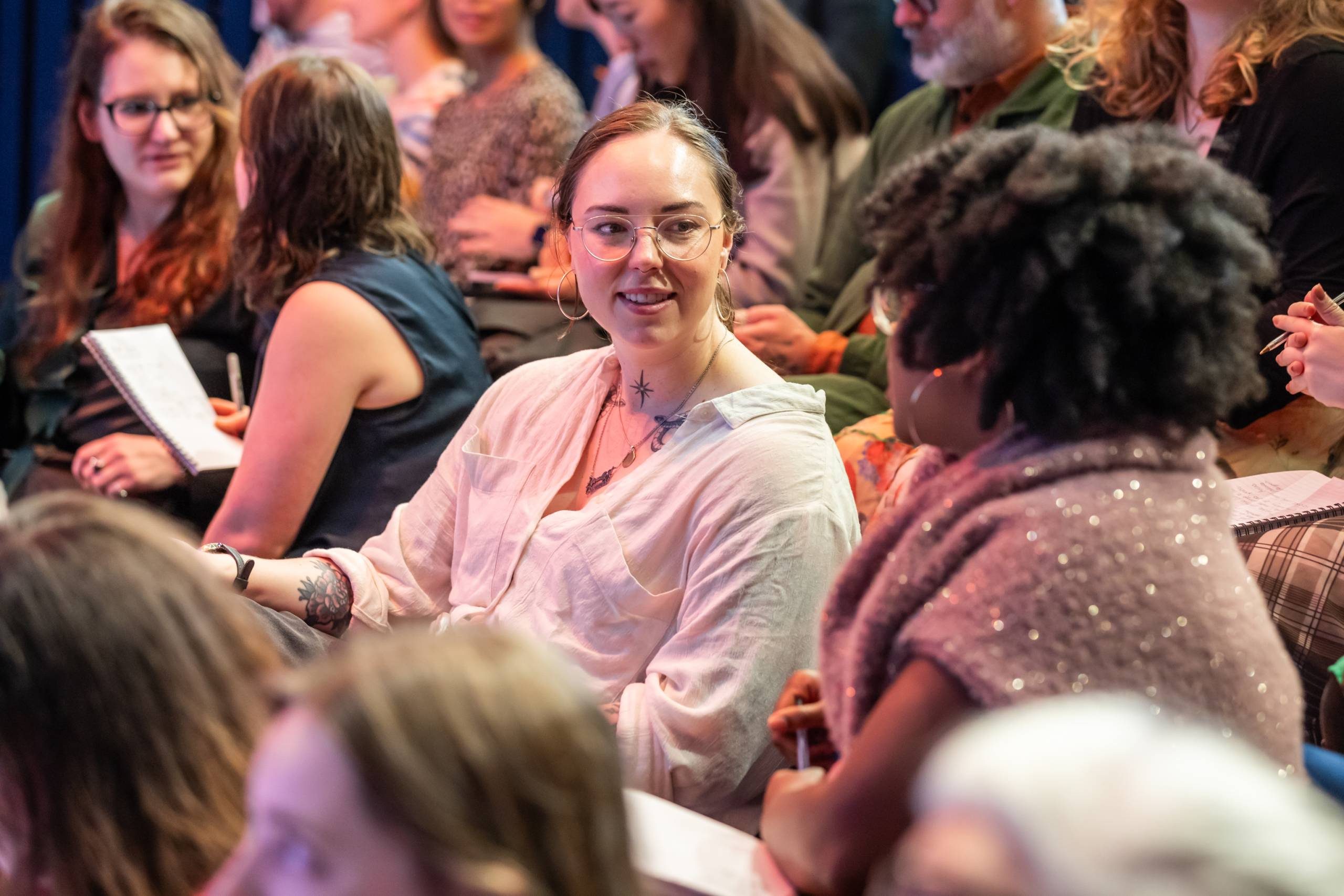
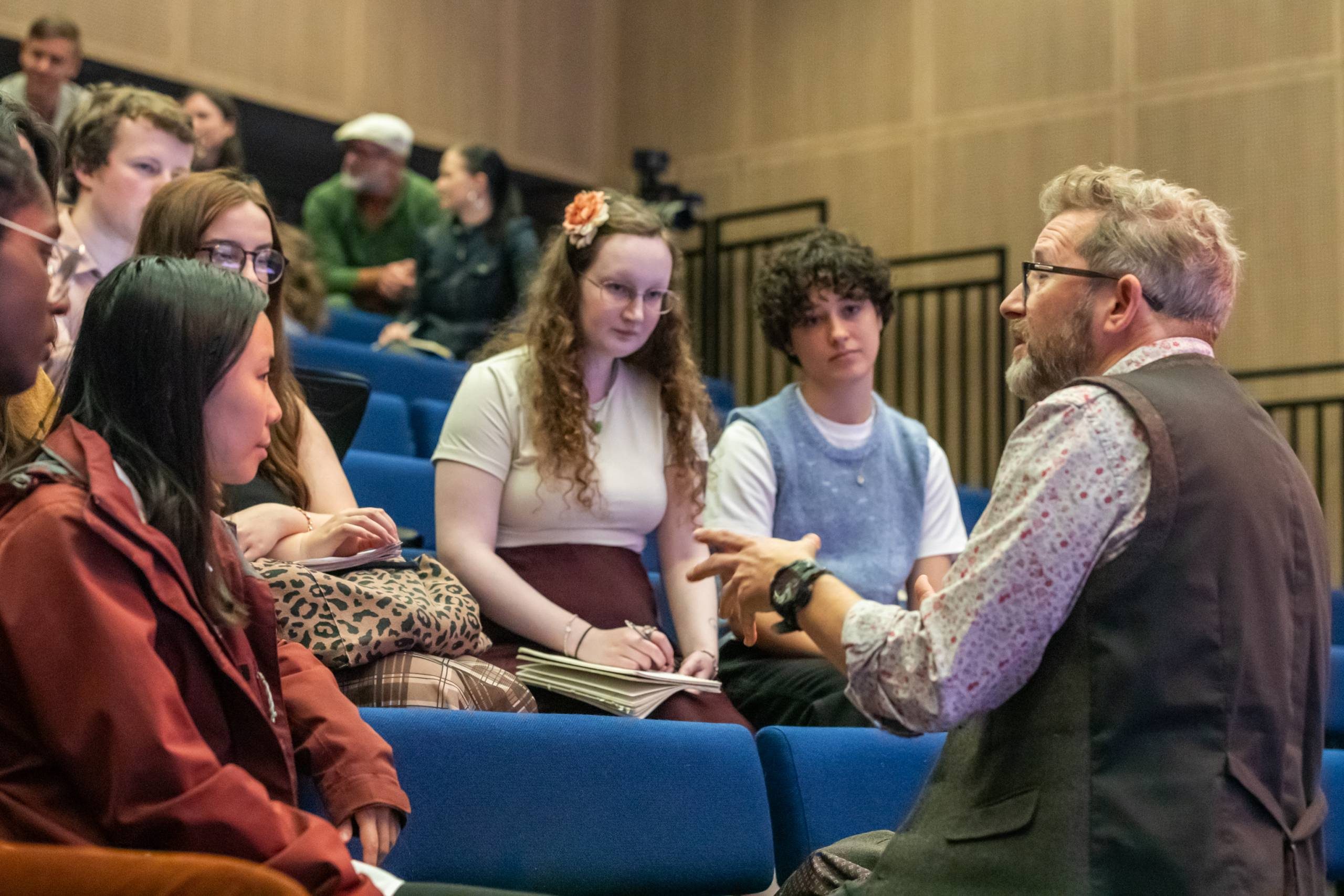
The day kicked off with an interactive session on turning ambition into action, led by Kathryn Welsh (Co-Director of Culture Counts and member of the Scottish Government’s Culture Fair Work Taskforce) and Heather Perry (Author of The Illustrated Freelancer’s Guide for Creative Scotland).
Blending discussion and creative exercises, the session challenged participants to think about how they could turn their ideas into realistic, long-term plans.
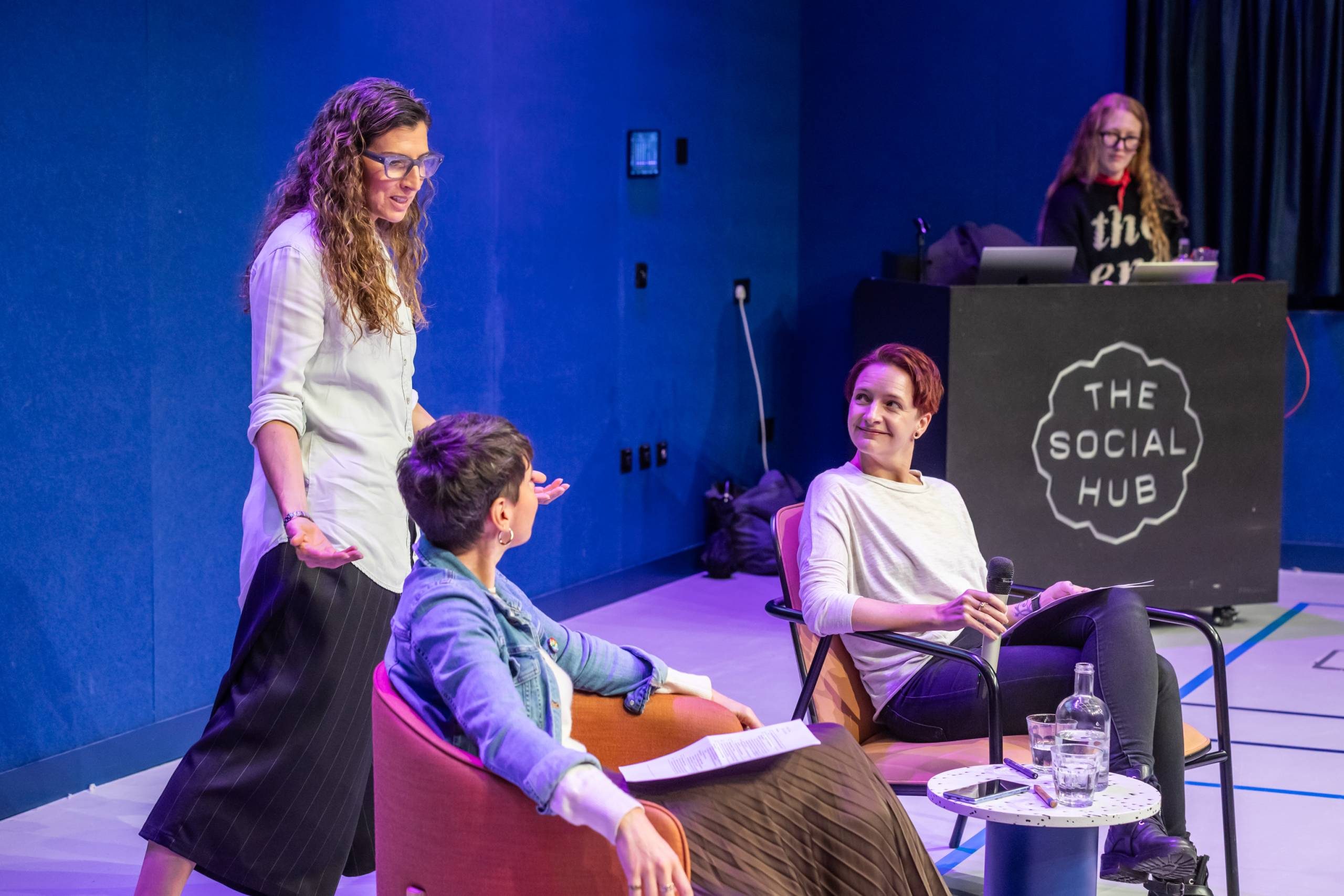
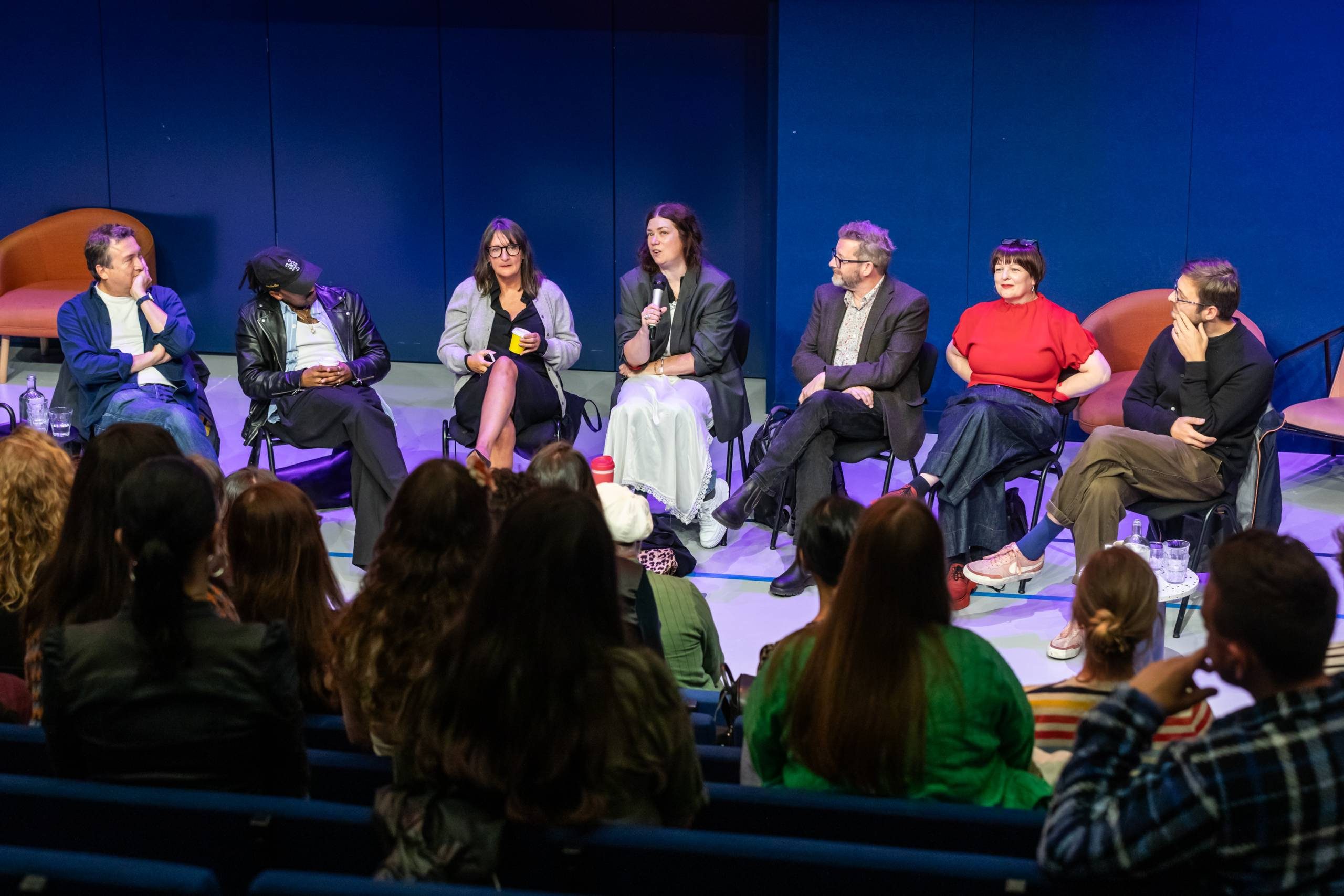
Next, the ‘Leaders in their Field’ panel gave participants the opportunity to hear from practitioners working across music, film & TV, games, visual arts, branding, and community-led organisations.
Drawing on their wealth of expertise, speakers shared insights into their fields and how they fit into the arts and creative industries as a whole.
The panel featured Michael Hines (Director of award-winning sitcom Still Game), Emma Ford (Music Supervisor & Manager for Scottish composer Craig Armstrong), Gillian Garrity (Executive Producer, Raw Material), Rob Morrison (Co-Founder, Agile City CIC), Brian Baglow (Founder, Scottish Games Network), Barrington Reeves (Creative Director, Too Gallus), and Patricia Fleming (Owner, Patricia Fleming Gallery).
Participants then moved into smaller elective sessions, allowing them to explore specific areas of interest with each panellist.
One of the strongest signs of SHIFT’s impact is the participants’ readiness to apply their learning immediately after the programme.
Evaluation feedback showed that more than 75% intended to apply for funding, continue developing creative projects, build their professional networks, and register as self-employed.
These are exactly the kinds of next steps SHIFT has been designed to support, showing that participants left not only with greater confidence, but a clear plan for moving their practice forward.
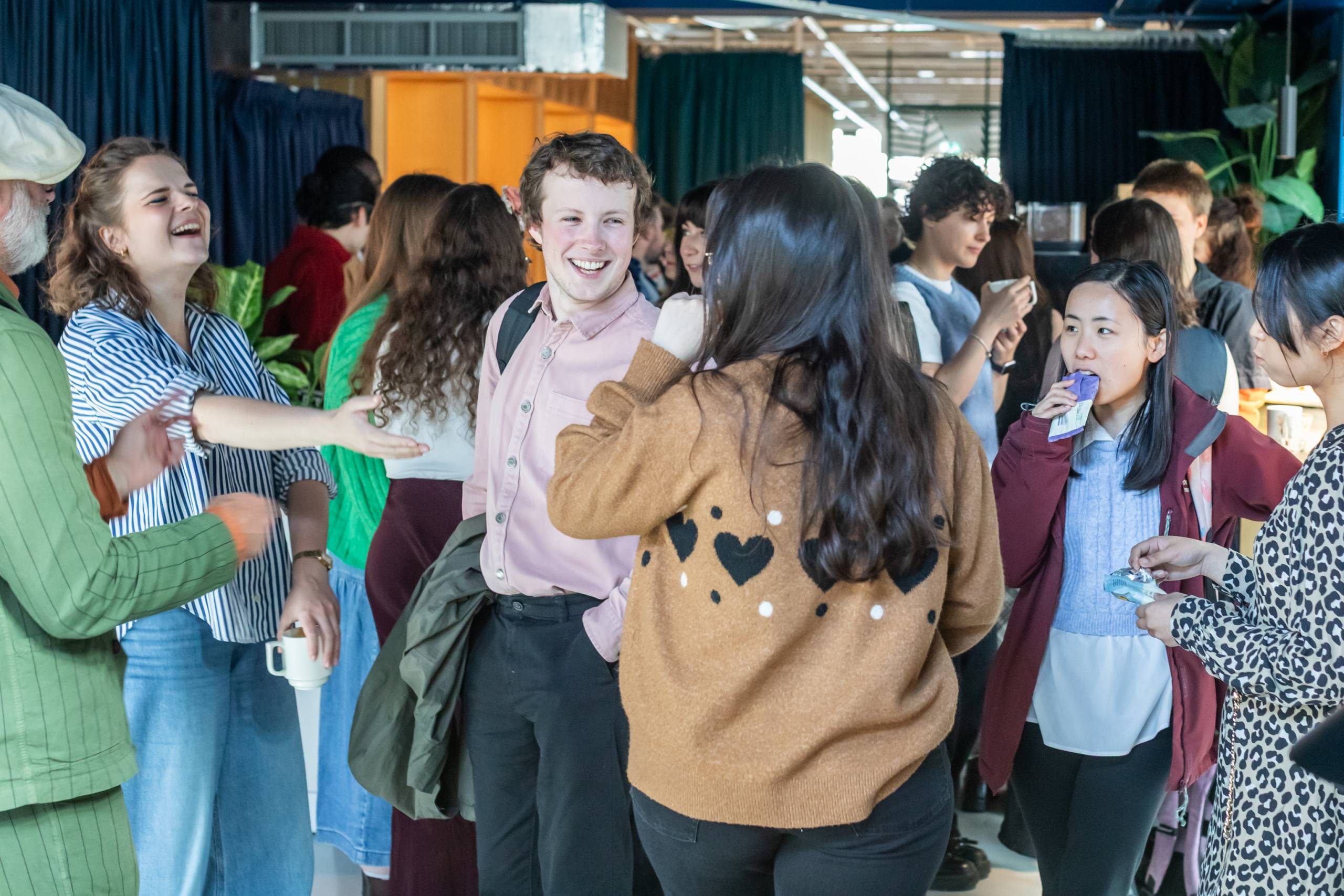
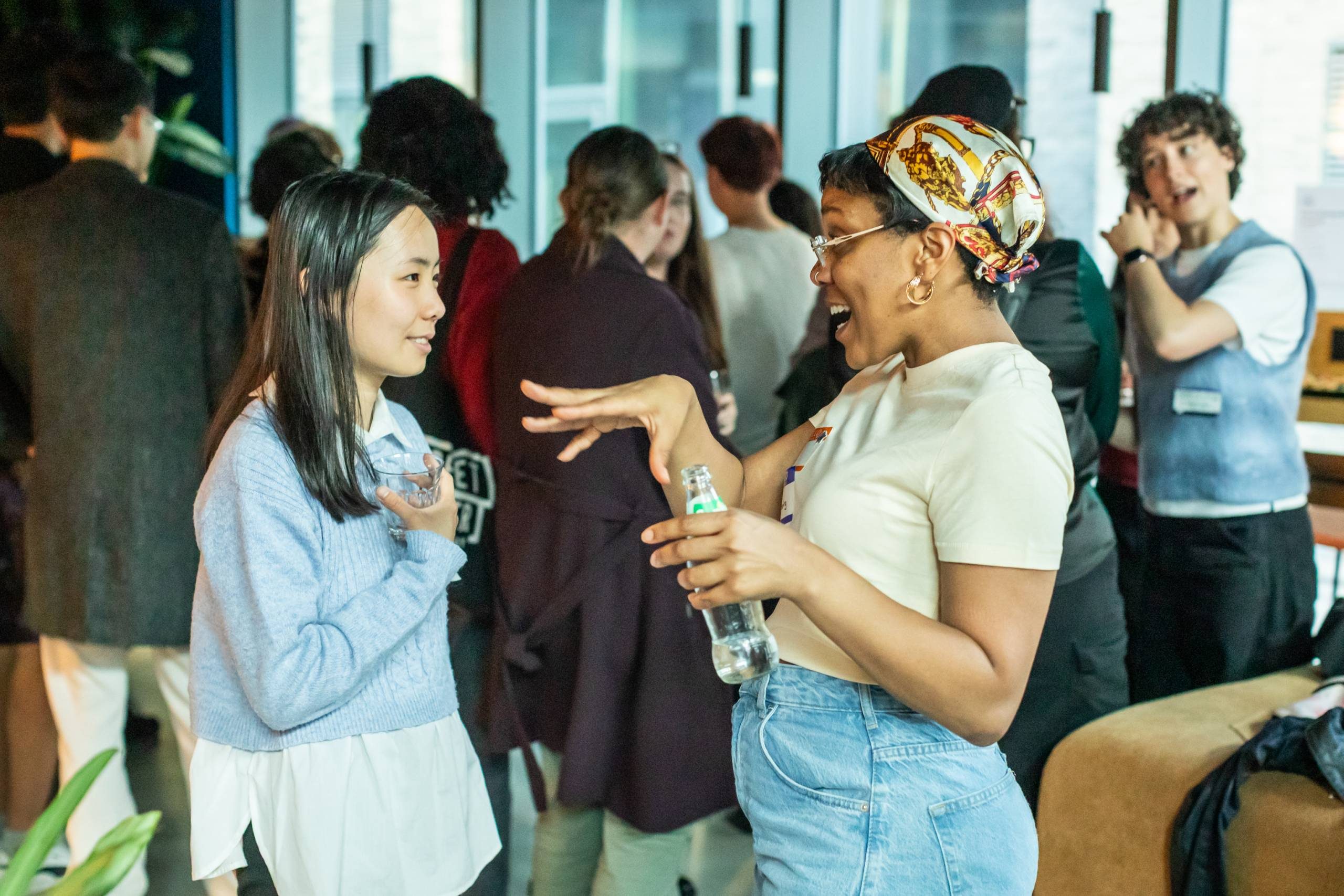
The day concluded with a social where participants, speakers, invited industry guests and SHIFT alumni, including members of the programme’s very first cohort from 2019, came together to reconnect, share experiences and celebrate the community that has grown around SHIFT over the years.
Many participants highlighted that they had not experienced similar opportunities through their formal education, demonstrating that SHIFT continues to fill an important gap between academic study and the professional creative sector.
Applications for SHIFT 2027 will open in spring.
The programme is open to students and recent graduates from all higher education institutions in Scotland who want to build sustainable creative careers on their own terms.

Images © Chris Scott