'Embracing the unexpected’: a creative space for student collaboration

Collaboration is woven into the fabric of the Royal Conservatoire of Scotland.
It’s not only embedded in the curriculum but lives in the culture – a place where students have the freedom to experiment, take risks and connect with artists from across music, drama, dance, production and film.
That cross‑disciplinary spirit inspired Master’s Composition student Tom Macfadyen to establish the Student Collaboration Society (SCS), creating an immersive, experimental space where new ideas can take shape.
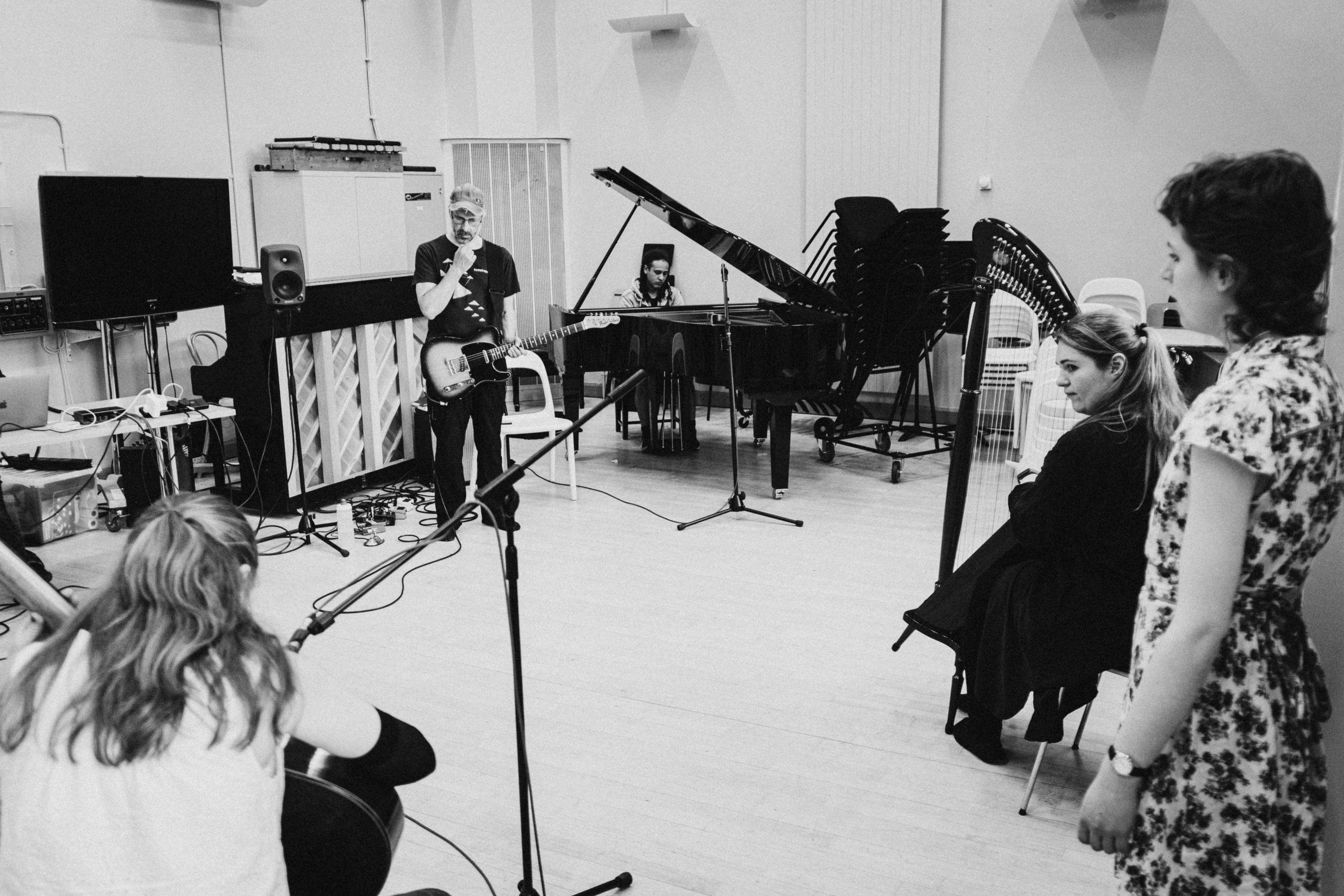
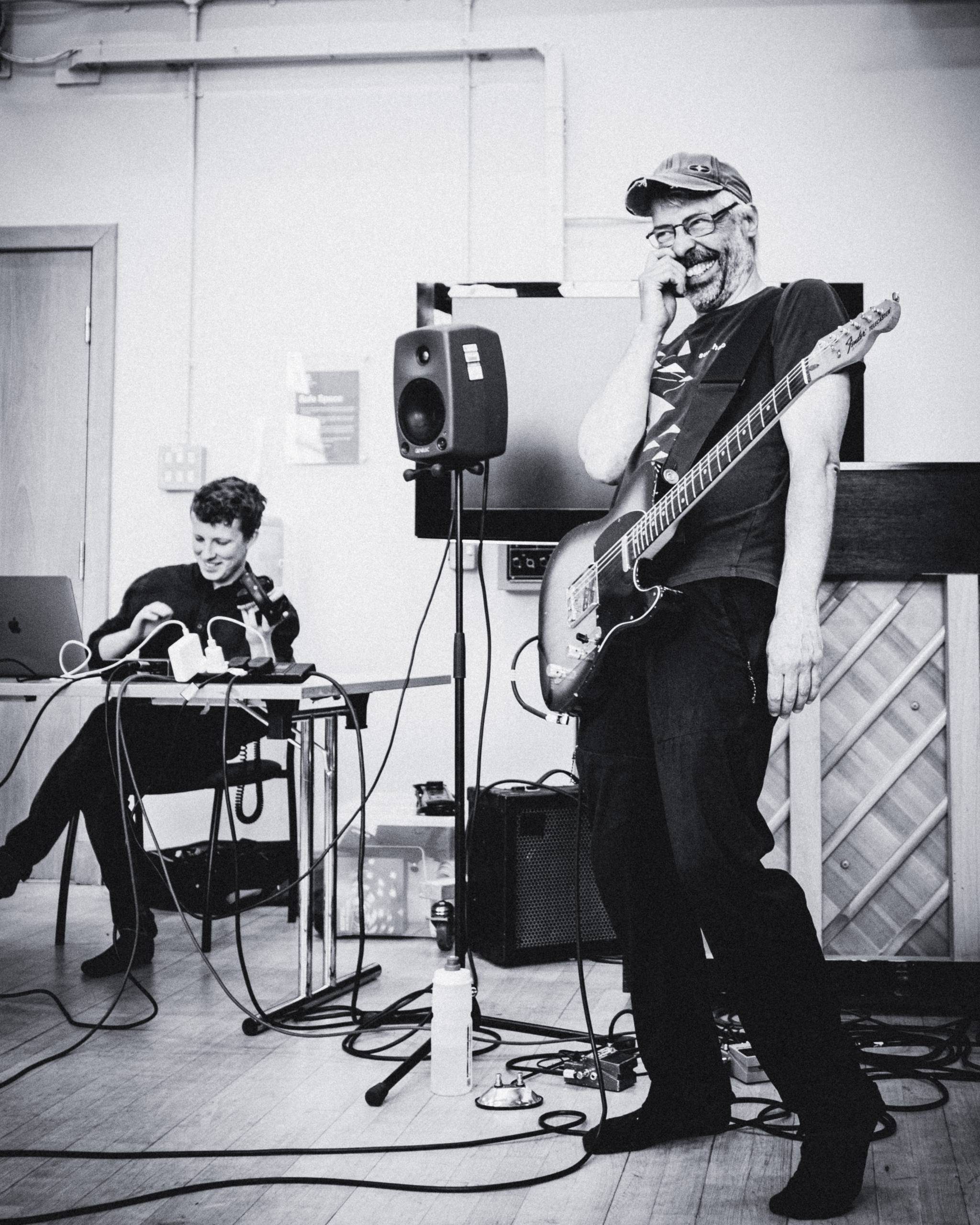
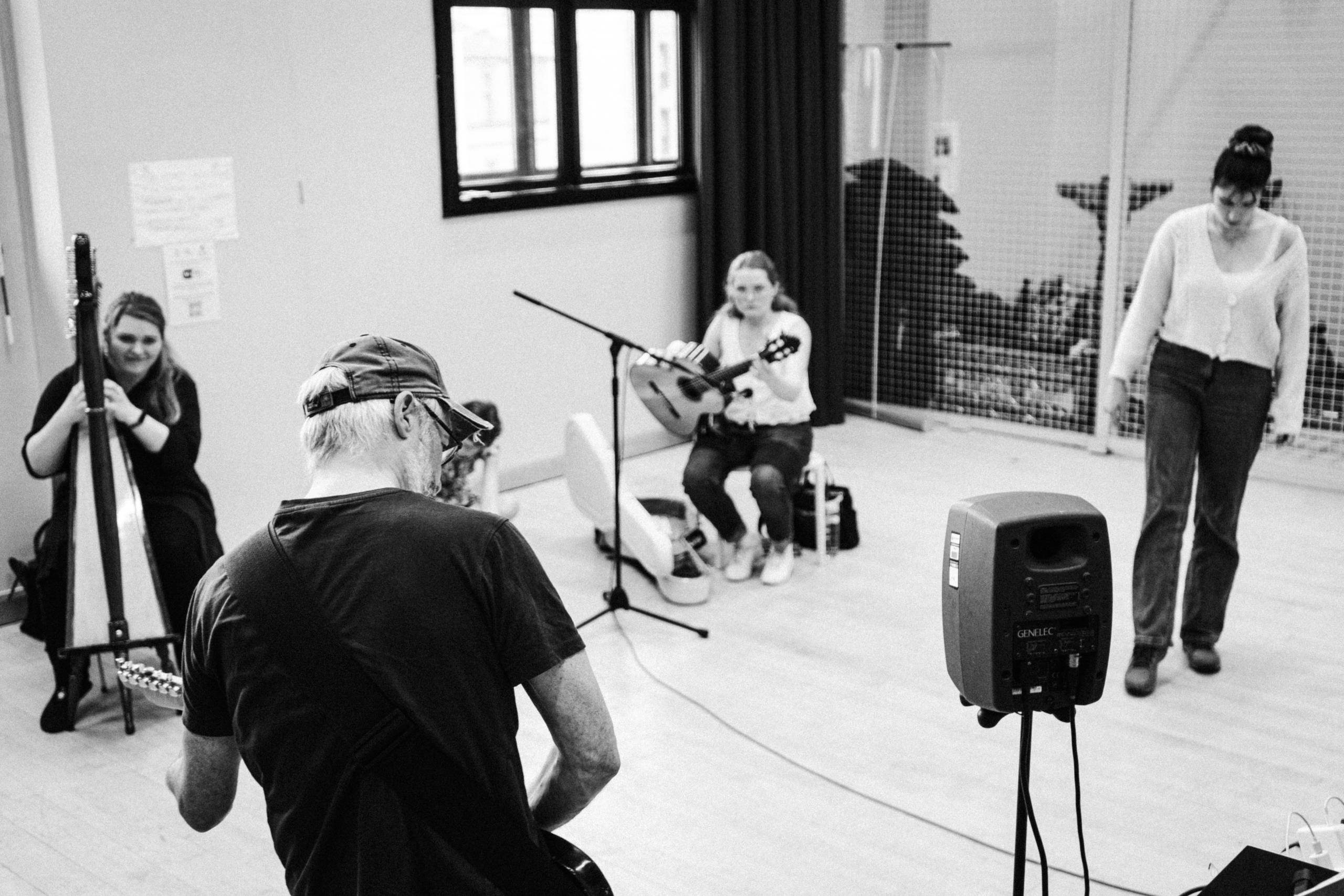
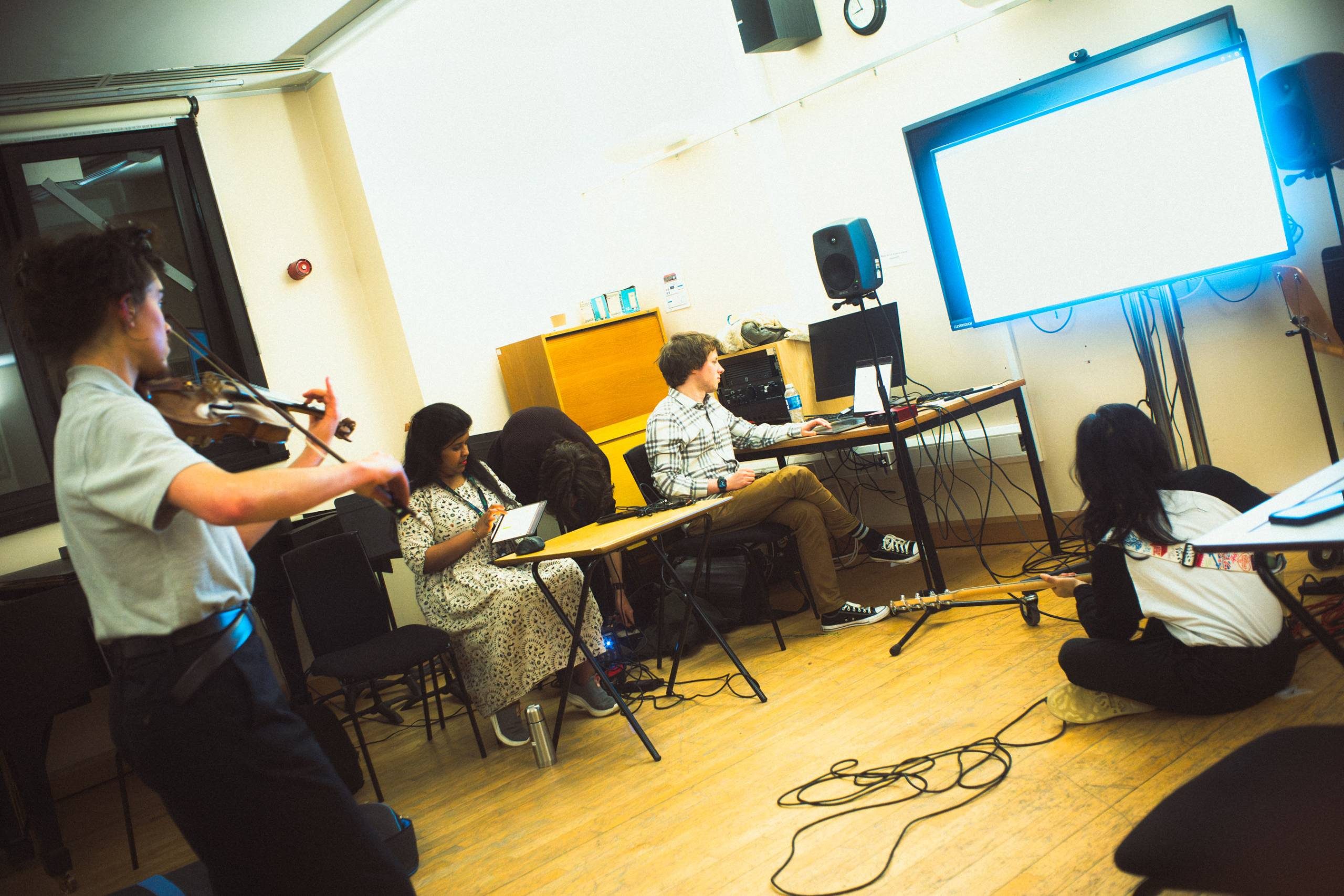
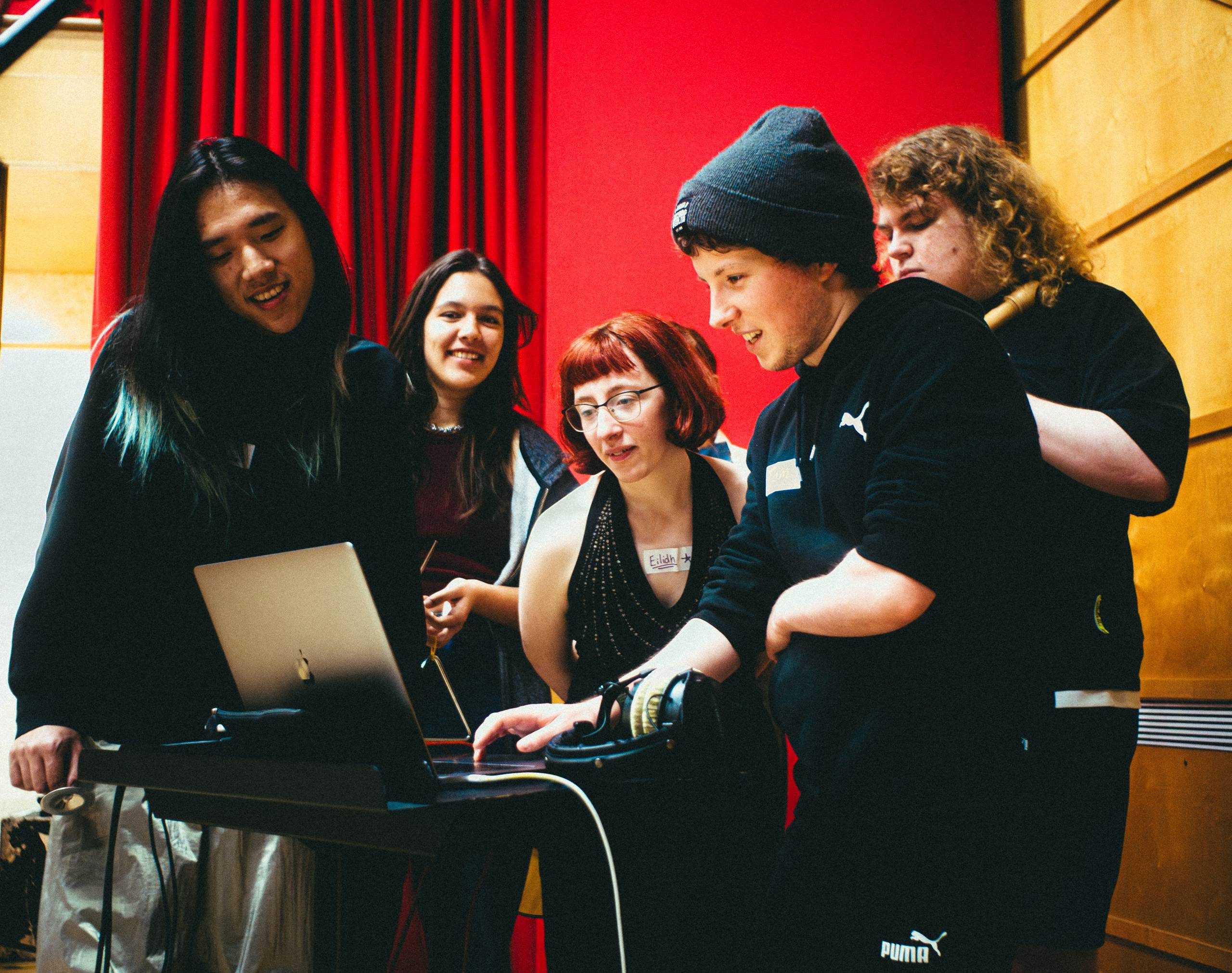
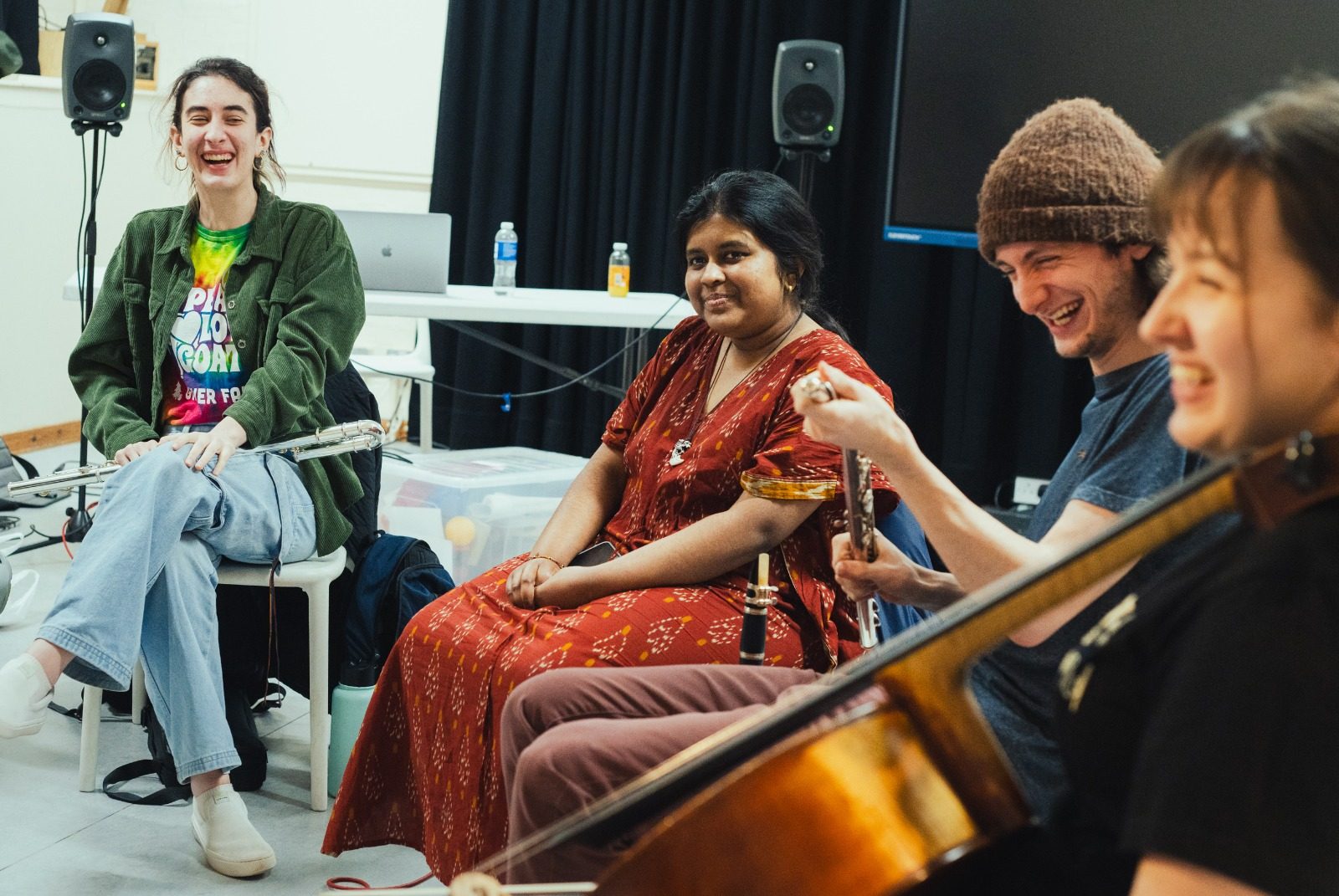
It’s an environment where dancers improvise alongside electroacoustic musicians, drama students test out new material and filmmakers invite others to live‑score their work.
Here, Tom reflects on how the society began, why collaboration remains at the heart of his creative practice, and his hopes for the group’s future after he graduates this summer.
Tell us about yourself and your studies?
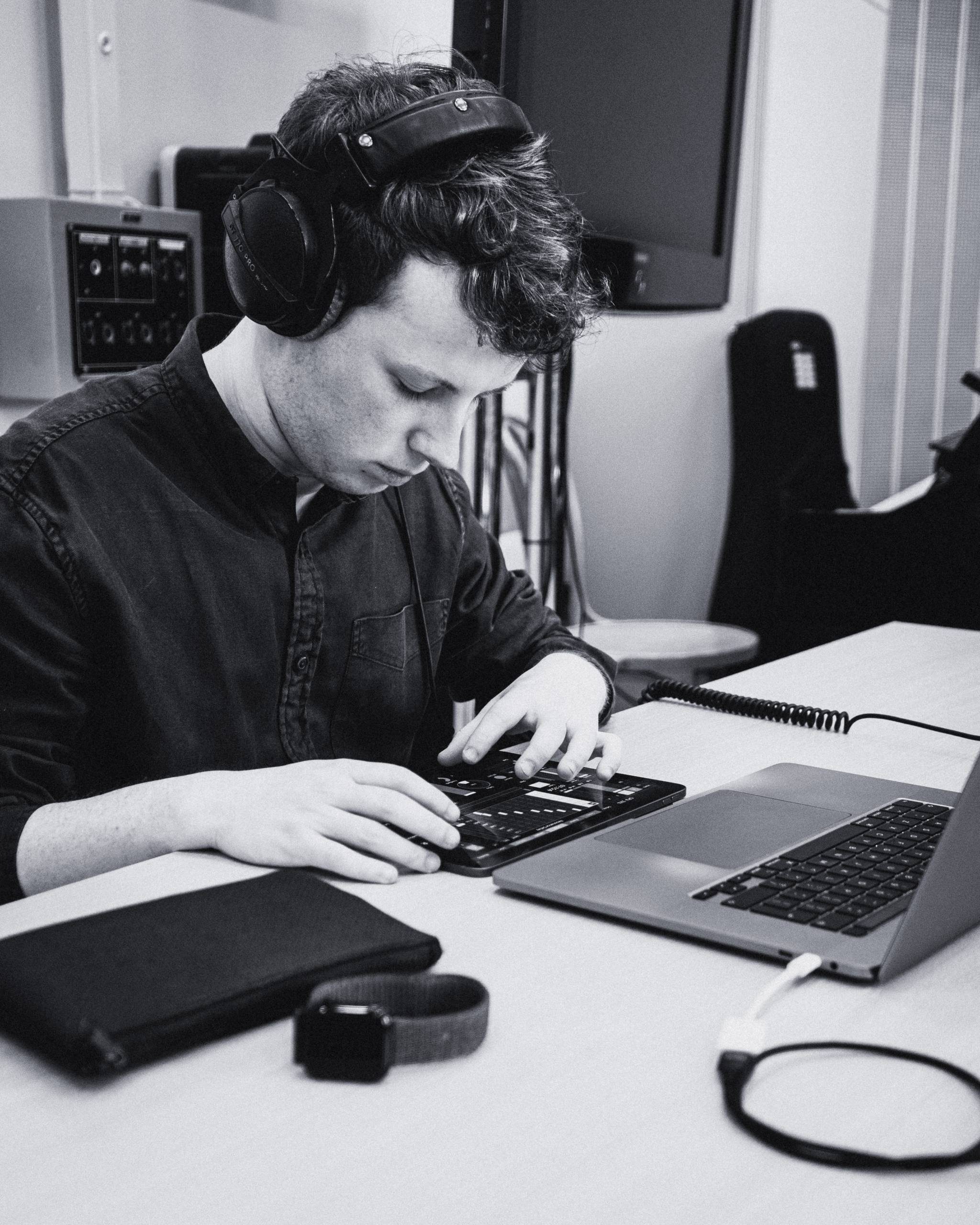
I’m a second‑year master’s student in Composition, and I also did my undergraduate degree here in the same subject. For my master’s, I chose to specialise in electroacoustic music. I tried a bit of everything in my undergrad and then decided my master’s was time to hone in.
Electroacoustic blends real sounds – recordings of any kind of sound you can possibly imagine – and then I use computers to process that sound and play it through lots and lots of loudspeakers.
Who influences you?
Acousmatic composers Manuella Blackburn and Helena Gough are two that immediately come to mind. They both do these intricate sound‑world things that are hyper‑real.
But I also love electronic music, including a producer called Burial, Aphex Twin, Mark Fell and Rian Treanor, who does a lot of work in communities as well as their own stuff.
What inspired you to start the Student Collaboration Society?
I set it up when I was in second year, just off the back of Covid, as I wanted to put things on.
I’d come to RCS because I wanted to work with different departments and people, and I really like collaborating. I’d missed out on that a bit in my first year because of Covid, so I wanted to make up for lost time and create a platform that would bring people together.
How did it come together?
It started off with a couple of sessions in RCS after I issued an open invite to some friends. We did a lot of free improvisation; there was never really a plan.
We just thought, if we get all these people in a room, something will happen. Someone mentioned what we were doing to the Innovation Studio, and they reached out. They started to support us with funding and guidance, and then we set up the society.
Who gets involved?
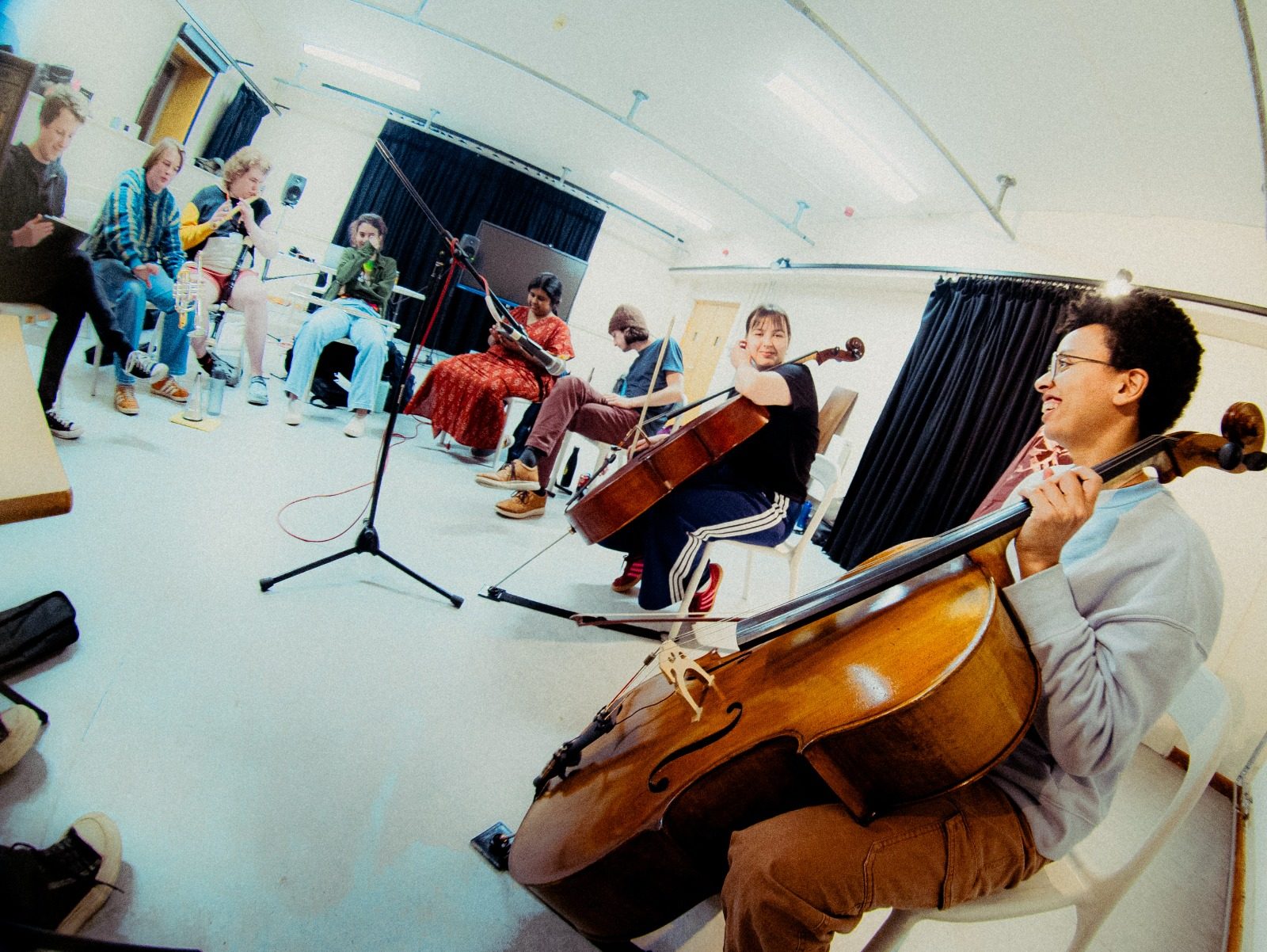
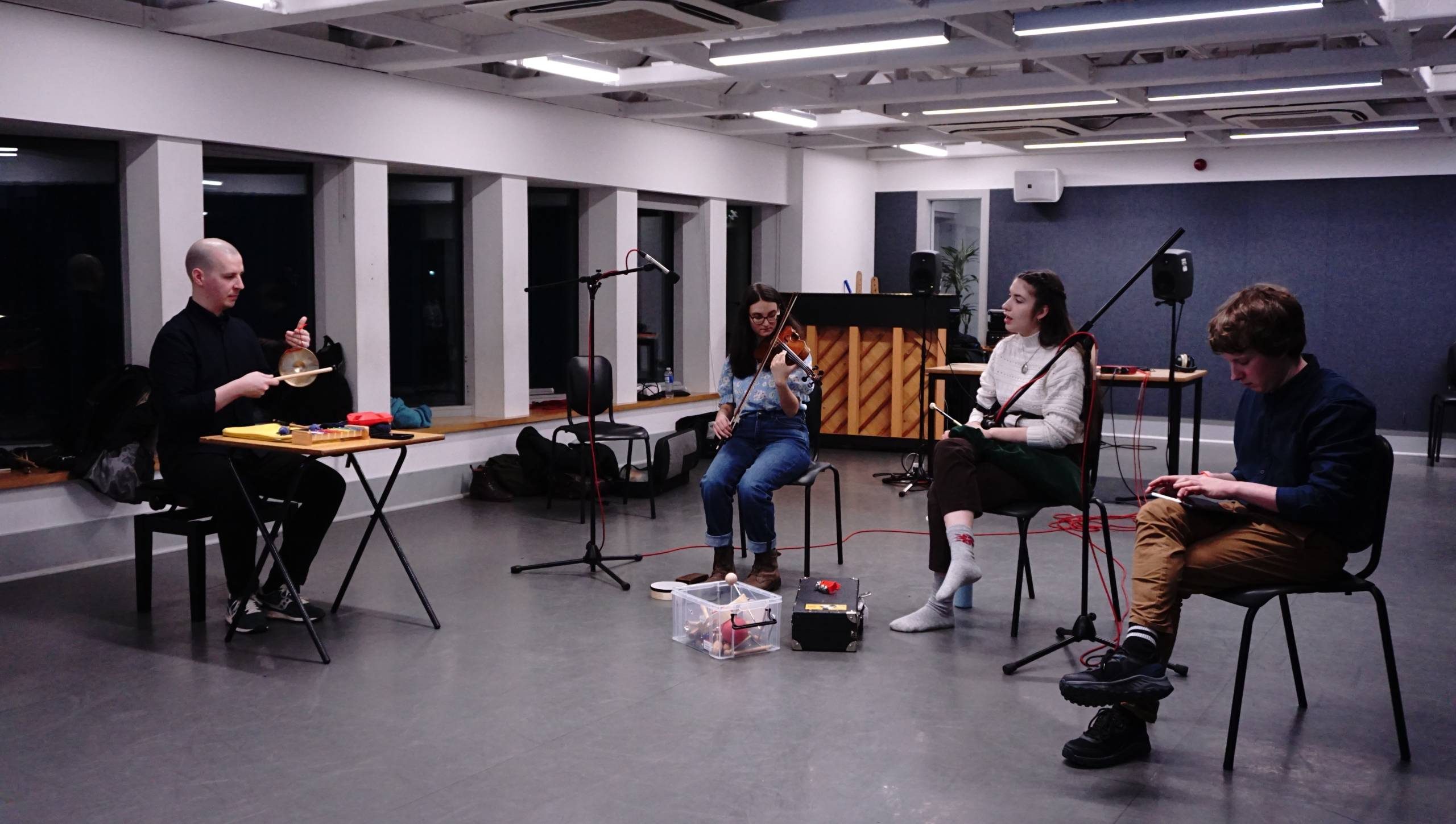
We’ve had regular attendees, some who have graduated and new students who have come along. But it’s never been a sign‑up thing, it’s ‘feel free to turn up’. Sometimes it’s twenty people, sometimes it’s two. Mostly it’s music, but we’ve had people from drama, dance and film.
How has RCS’s Innovation Studio supported you?
We had funding from Innovation Studio to help us get started and the team also helped us with booking rooms. After meeting with the Disability Union early on, they recommended we buy stim/sensory toys and comfortable cushions.
We also used funding for good-quality sound equipment and to bring in guests. We recently had a session on immersive and tactile technology where we built our own little instruments.
What guests have staged workshops at SCS?
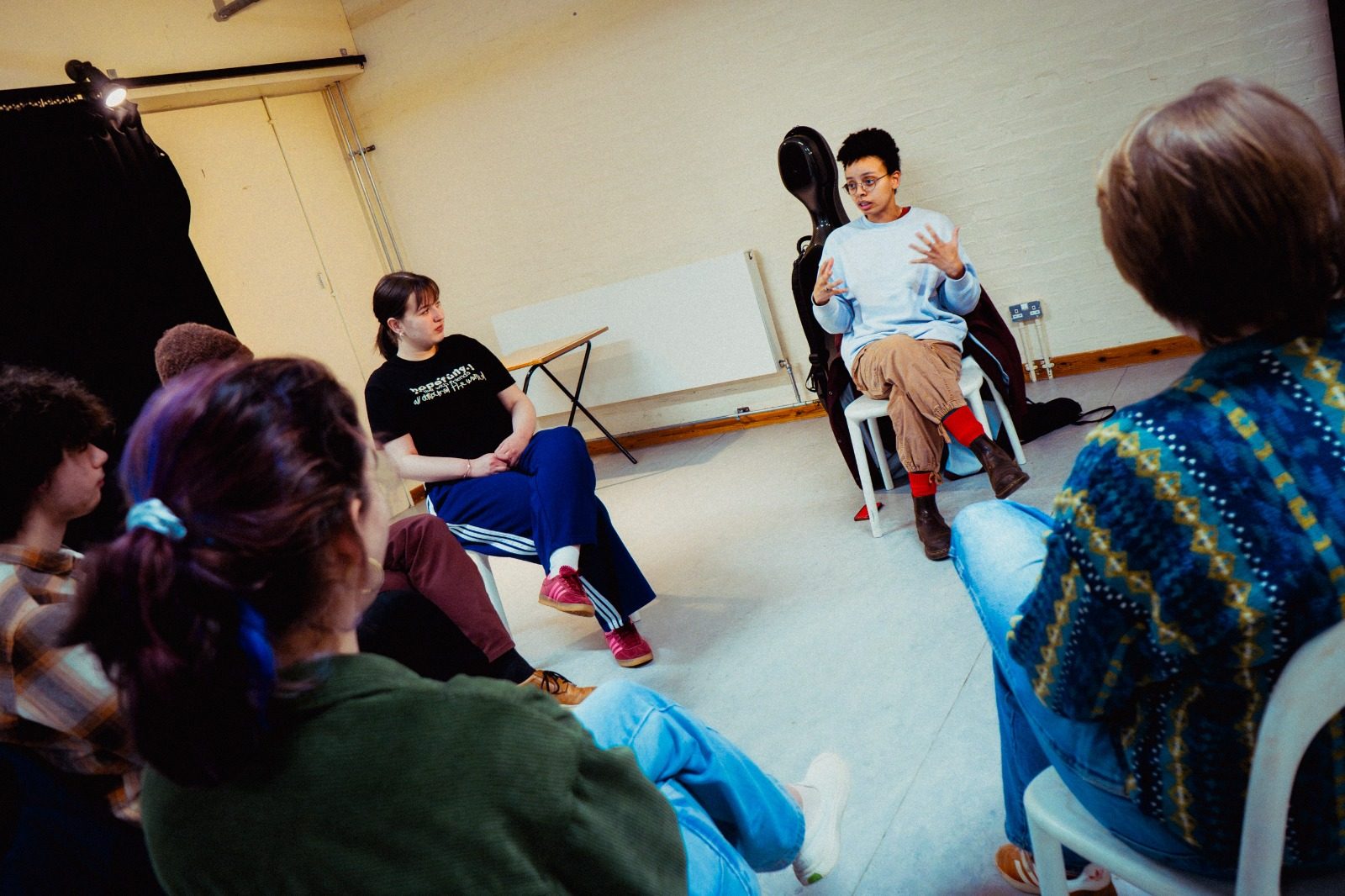
Anne Kjær came last year – they’re a Contemporary Performance Practice graduate and someone I often collaborate with. They did an interesting workshop focused on using your body in the space.
We recently had cellist and performance artist Simone Seales, community musician Connor Bristow, who are both RCS graduates, and Glasgow-based improviser Jer Reid.
How has the SCS grown beyond the sessions themselves to become a wider creative network across RCS?
We keep a record of every session and Luca Dickson, a fantastic photographer who studied film here, still comes along and takes photos.
We also have a WhatsApp group so people can find each other. There have been occasions where people meet through the society and then go on to do projects together.
We did one performance at Plug Festival that was fully improvised. We weren’t sure what exactly we were going to do… which is a theme of how we like to work. I guess it’s embracing the unexpected.
Why do you think spaces like this are important at RCS?
Everyone here is creative in different ways, so everyone wants to put things on and make things happen. RCS is supportive – it lets things grow.
My teachers in composition, David Fennessy and Alistair MacDonald, have always encouraged me to explore as many things as possible.
You never know what you’re going to do in the future – it could look different to what you expected when you came here.
What are your hopes for the SCS after you graduate?
I’m trying to get a team of people on board because when I graduate this year, I’m hoping that I can hand it over to them. It would be interesting to see it will be taken forward and developed.
What are your plans after graduation?
I really enjoy what I’m doing now and hope I can keep going with that. I also do sound engineering – with a traineeship outside RCS – so I hope there’s maybe a future in that too.
_____________________________________________________________
Interested in collaboration or improvisation? The next Student Collaboration Society session takes place on Thursday 19 March from 6-8.30pm in AG13.
Follow SCS on Instagram.
Join Tom MacFadyen on Linktree and listen on Soundcloud.
Images © Luca Dickson