RCS students win Idea of the Year at ABTT Virtual Ideas Platform Awards

The Royal Conservatoire of Scotland is celebrating a double success at the 2025 ABTT Virtual Ideas Platform Awards, with two projects recognised for their creative approaches to theatre production.
Costume designer Lauren Brown (industry category) and product designer turned stage technology student Roy Shearer (student category) will each be taking home the Idea of the Year Award worth £1,500, to be used as seed funding to further develop their ideas.
The ABTT Virtual Ideas Platform (VIP), developed by the Association of British Theatre Technicians in partnership with the Guildhall School of Music & Drama and recently joined by RCS, exists to support and showcase the creative ingenuity of those working behind the scenes in theatre and live events.
Since 2021, the platform has been championing boundary-pushing ideas with the potential to shape the future of the industry.
This year’s winners were selected from a pool of ambitious submissions, reflecting the creativity and forward-thinking spirit within the sector.
Deborah Keogh, Head of Engagement at RCS, said: “Warmest congratulations to Lauren and Roy and their respective projects for coming out on top at this year’s competition.
“We’re excited to see how they will use their awards and the support offered through the ABTT membership network to take their ideas to the next stage.”
Sian Brittain, Director of Enterprise (Interim) at Guildhall School of Music and Drama, said: “We are at a genuinely exciting moment in theatre production, where sustainability, technology, and craft are converging in ways that would have seemed ambitious even a decade ago.
“This is exactly the kind of bold, inventive thinking that the Virtual Ideas Platform was created to champion.
“These ideas don’t happen by accident, they happen when curious, skilled people are given the platform and support to pursue ideas that might otherwise never leave the notes app on their phone.”
Industry Award Winner: Lauren Brown
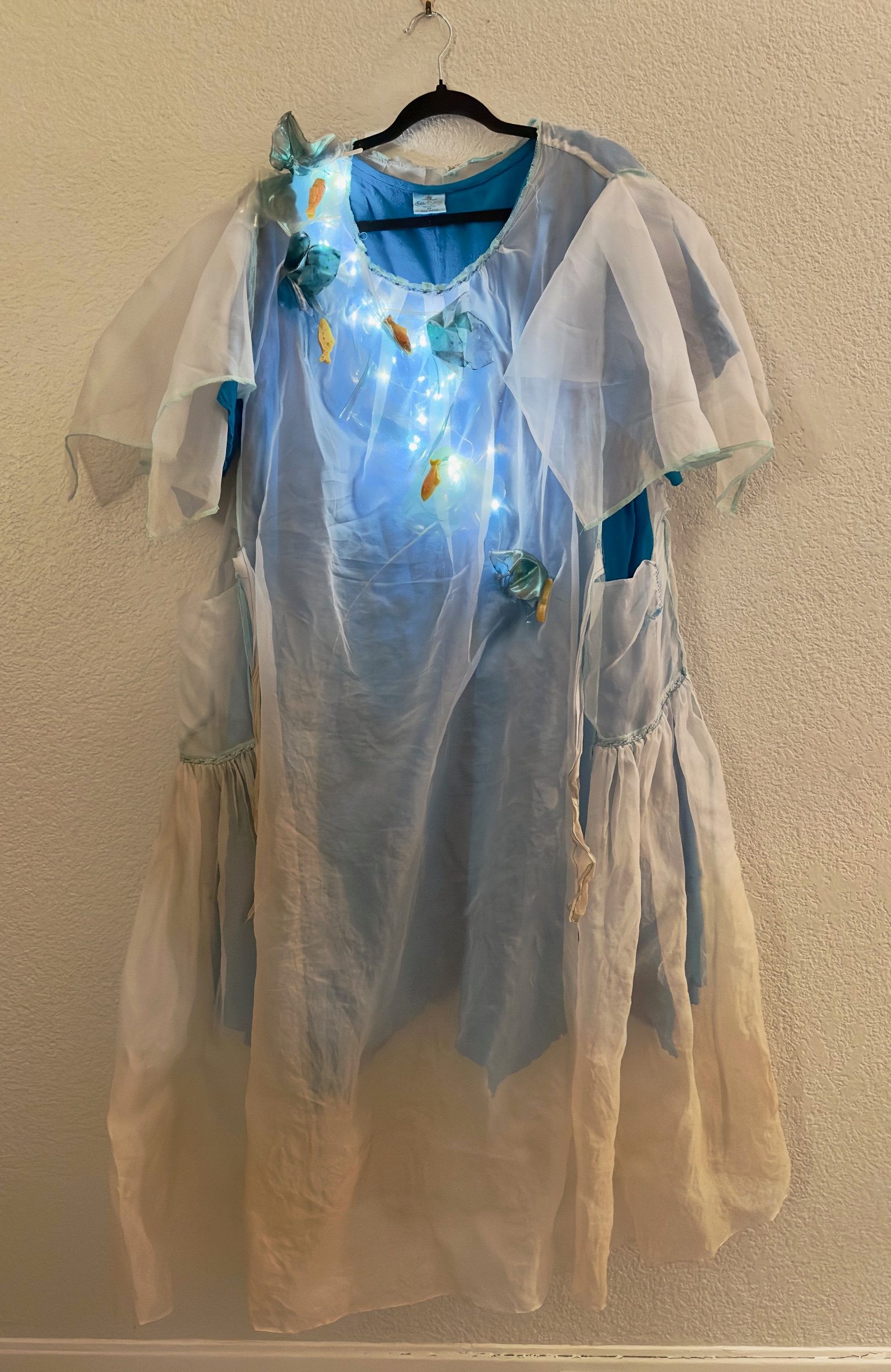
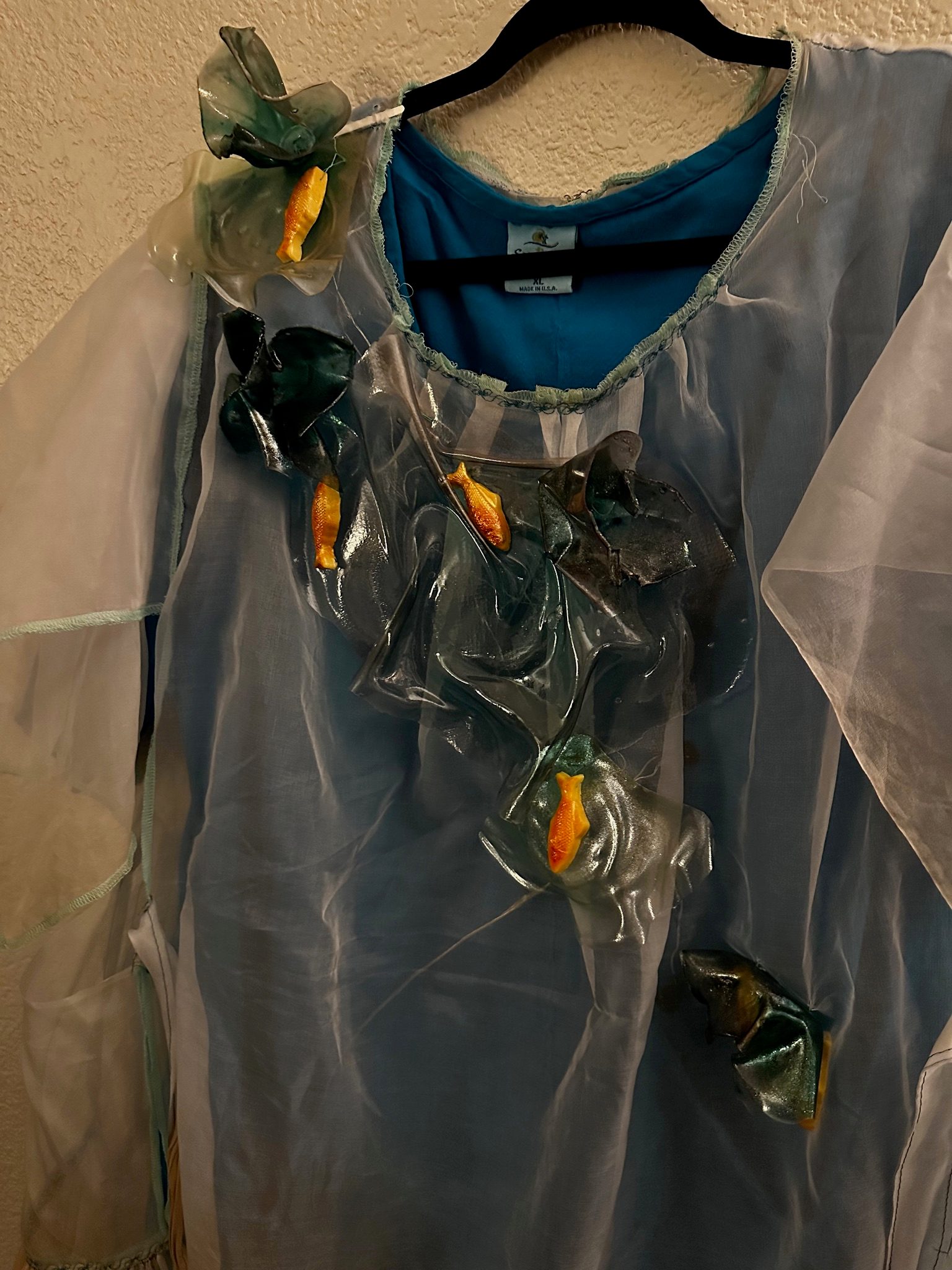
Project: Bioplastics for SFX Prosthetics
Lauren Brown is a set and costume designer originally from the US. She has worked in theatre production for eight years, including roles as costume designer, costume craft supervisor, draper, and wardrobe supervisor.
Lauren moved to Scotland to extend her practice with an MFA in Production Design from RCS, to looking work in and make an impact on the UK theatre community after graduation.
Lauren’s project explores seaweed- and starch-based bioplastics as an environmentally friendly alternative to traditional prosthetic materials, reducing skin irritation and introducing biodegradable options into current practice.
“Sustainable design and the environment are things I care deeply about, and it is important that we consider our lasting impact not just on the planet but on ourselves,” said Lauren.
“Design impacts us in so many ways; evaluating that impact and seeing if there are ways to improve it should be a critical part of our work.”
Lauren had been thinking about the idea for a year before applying to the Virtual Ideas Platform. During her undergraduate studies, she previously assisted with research into bioplastics for theatrical performance.
At the same time, her interest in special effects makeup led her to realise that many of the materials used rely heavily on latex and other harsh adhesives, as well as large amounts of single-use plastics.
“As I learned more about bioplastics and their potential, I was very interested in exploring which aspects of prosthetics or SFX could be replaced with bioplastics, but I never had the time or resources to pursue it properly,” explained Lauren.
“When I heard about the Virtual Ideas Platform, I thought it was the perfect opportunity to explore the idea I had and connect with professionals in the field who might be able to help.”
The assessment panel noted that Lauren’s submission stood out for its practical approach, including developed recipes and workshop-based testing, demonstrating strong potential for real-world application.
Lauren added: “Winning the funding not only helps me purchase the equipment I need to pursue my idea but lets the greater ABTT community hear my idea and shows others what is possible in sustainability.”



Student/Recent Graduate Award Winner: Roy Shearer (in partnership with Steve Macluskie)
Project: FlyMetric – Metrology for Counterweight Bars
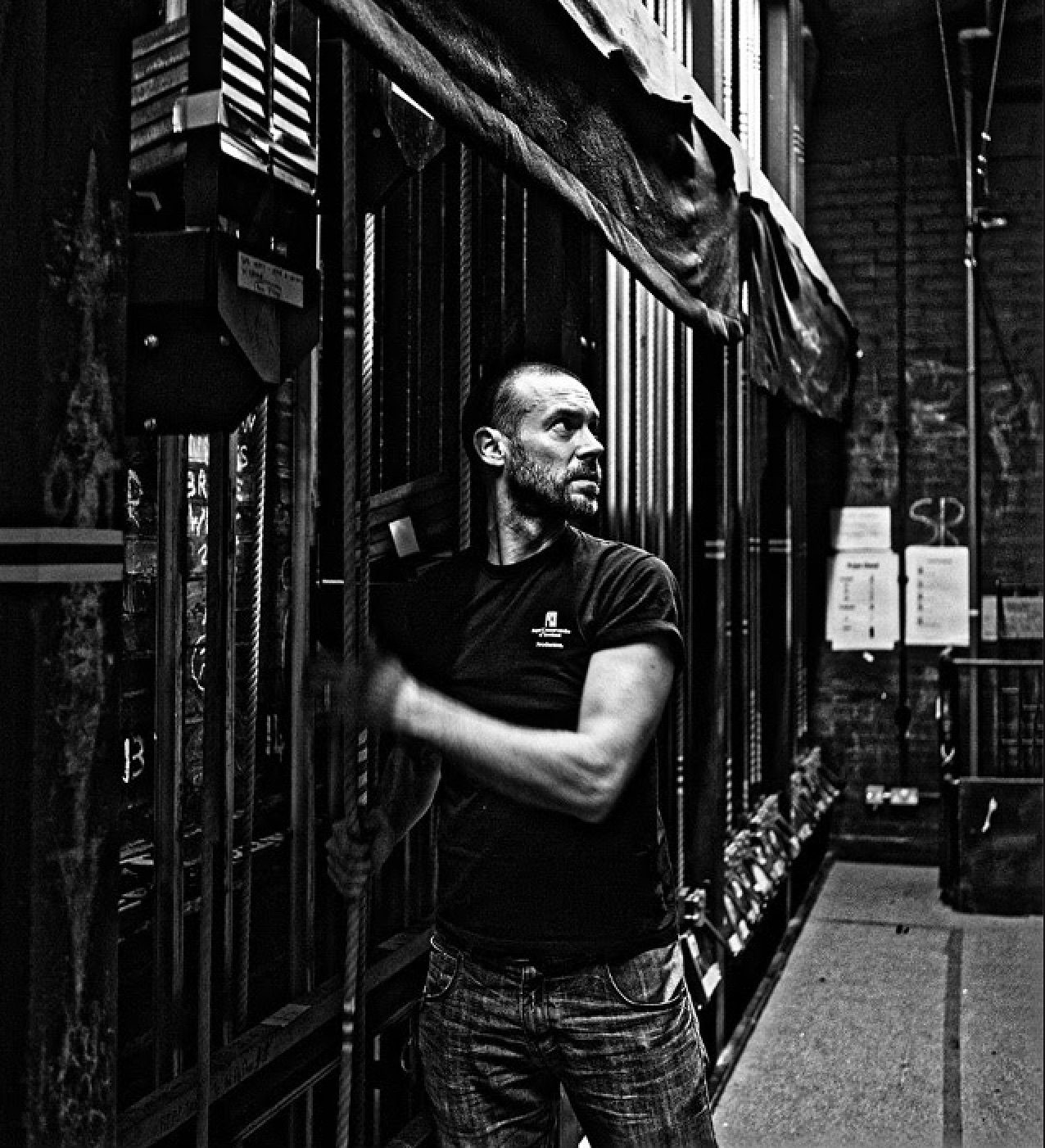
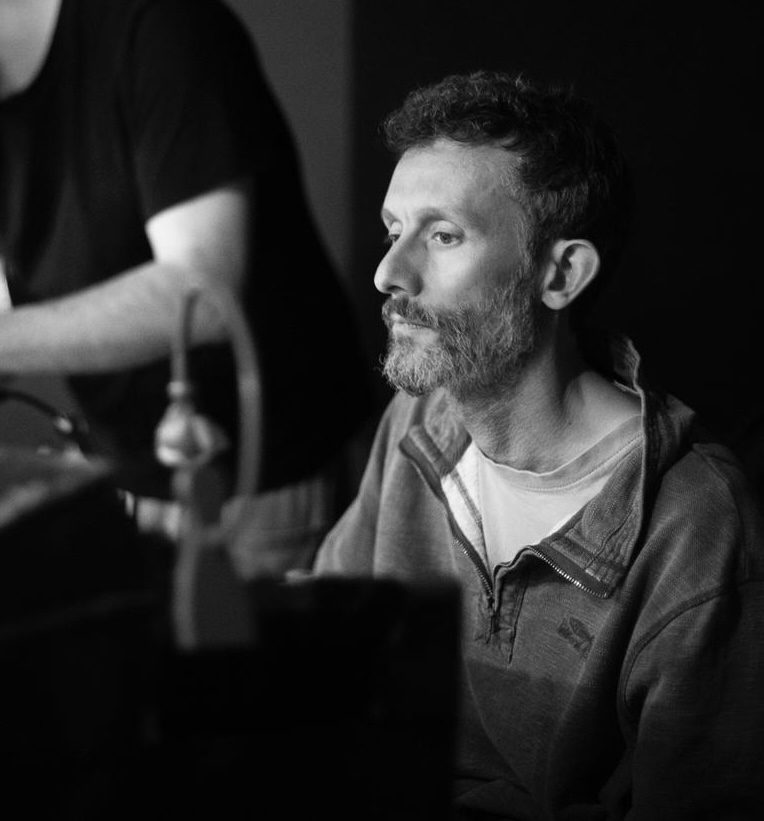
FlyMetric emerged from conversations between second-year Production Technology and Management student Roy Shearer and course lecturer Steve Macluskie about the challenge of setting flown objects to the correct height above the stage.
The conventional method typically involves a technician lying on the stage floor using a laser measurer to locate an object above, calling distances up to another colleague on the fly floor, who adjusts the bar until the element is in position. This can be particularly tricky with smaller objects.
This practice had struck Steve as inefficient for some time, but it wasn’t until he connected with Roy, who has a background in product design, that the pair started theorising a new way of measuring the height of flown elements.
FlyMetric proposes a retrofitted electronic system that provides flypersons with live, accurate monitoring of counterweight bar heights, improving safety, consistency, and communication within stage automation teams.
Taking the initial seed of the idea from Steve, Roy came up with a practical solution and quickly began working on a physical prototype.
“I’ve done a lot of work with microcontrollers in previous jobs before studying at RCS, so I came at it from that angle – like how would we do it electronically and what components would we need,” said Roy.
Steve added: “I had no idea how that might be done, which is where Roy came in. The idea needed the right person to move it forward and make it work. It’s very much Roy’s project.”
The panel commented that Roy’s submission demonstrated a strong understanding of existing fly systems and offered a low-disruption, highly practical solution suitable for venues of varying scales.
Roy has now progressed the FlyMetric prototype to the point where he can start testing it on an operational fly system in the New Athenaeum Theatre at the Conservatoire.
The results from these tests will inform further development, with the funding going towards equipment and time needed to iterate on the design.
Roy said: “My hope is that we can demonstrate the idea better and figure out what the major barriers might be. Always having the data available could open up new possibilities and change the way we operate shows.”


In addition to the two winners, several other highly commended projects impressed the panel with their originality and potential for impact, highlighting the wealth of talent and ingenuity present across the competition this year.
ABTT Chair David Evans said: “Each email that comes in is a surprise and testament to the creativity of our industry. Every year, we get more submissions, and it is getting increasingly hard to pick the winner.
“I am particularly delighted that we are seeing more submissions from costume, wigs and makeup who were quite underrepresented in the first few rounds but are now making headway.
“We have seen winners and runners-up for stage management, flying, rigging and stage construction. In addition, we have had submissions ranging from educational resources to full temporary theatre designs, from remote control devices to software databases.
“The range has been extraordinary, after all, the industry covers such a vast range, and ABTT VIP is a microcosm of that.”
Save the date: Submission for the 2026 ABTT VIP Awards closes on Sunday, 1 November at 11.59pm
The competition is open to anyone with a creative, technical or strategic idea that could improve theatre production and live events, no matter how early or speculative.
Do you have an idea that could change how things are done? We encourage you to share it!