From costume creation to bioplastics: Lauren Brown’s journey through the MFA Production Design programme

Wondering what it’s like to study on the MFA Production Design programme at the Royal Conservatoire of Scotland?
Launched in the 2025/26 academic year, the new MA/MFA Production (Design/Management) programme is designed for emerging creatives looking to deepen their expertise across stage and production management, lighting, sound, and set and costume design.
With an emphasis on both individual practice and cross-disciplinary collaboration, students are supported to develop their artistic voice while working alongside directors, performers and fellow designers.
Here, MFA Production Design student Lauren Brown shares her journey from the United States to RCS, her background in costume and interior design, and how the programme is shaping her creative practice.
Lauren also shares insight into her work with sustainable materials such as bioplastics and why sustainability is central to the future of live performance.
What first sparked your interest in production design, and how did that journey lead you to RCS?
I have been involved in theatre and design since high school, and have been designing costumes for about eight years now.
My undergraduate degree was in theatre design and interior design, so I continued to pursue that passion in higher education.
I loved theatre, Shakespeare and immersive production design. During undergrad, I decided I wanted to continue learning more about design, and I wanted to move to the UK to learn the system and hopefully work here after.
I then met RCS at a convention in the US and loved the sound of the programme and the opportunity to earn an MFA, which led me to choose RCS.
What were you doing before joining RCS? Can you tell us about your creative or professional background?
Before coming to RCS, I was working on my undergraduate degree at Baylor University. I graduated in May 2025 with a degree in Interior Design with a secondary emphasis in technical theatre – costume design.
During that time, I also worked in regional theatres in Texas. I studied costume design and designed several shows at Baylor University.
During my time at Baylor, I worked with one of my professors researching the theatrical applications of bioplastics.
Why did you choose RCS for your postgraduate training?
The main thing that drew me to RCS was the MFA, since that is not available at many other schools in the UK.
I was also really drawn to the opportunity to work with other master’s directing students. I had designed shows in undergrad, so I wanted a programme that would let me continue designing.
What have you enjoyed most about the MFA programme so far?
I have really enjoyed working with and collaborating with the MA/MFA Classical and Contemporary Text students. Being able to work with other creatives who are at the same level as you is also a joy and has been really rewarding.
I always love working with actors because they provide so many unique perspectives that, as a designer, you don’t always see.
How has studying at RCS helped you grow as a designer, whether creatively, technically or collaboratively?
RCS has really helped me grow collaboratively. I have worked with others before, but often the director and I were not on the same level, so RCS has created the opportunity for me to not only work with someone on my level but also contribute collaboratively to the concept of a piece.
It has also helped me learn how to integrate set design into my process.
What has surprised you about the course or your own development since starting?
I was surprised by how quickly I was able to learn set design and how much my past experience was applicable to it.

Why is sustainability such a driving force in your practice?
It’s important to do work that is timely and speaks to what people are experiencing. However, that often creates a lot of waste.
Art and creativity are so important, but so is being stewards of the planet. I want to leave an impact on people’s minds, not the planet.
Why is sustainability essential for the future of theatre, film and live performance industries?
Sustainability is essential for the future of live performance because, as the world moves toward using plastics and other materials that won’t break down, we need to think about what we leave behind, especially given the brief nature of theater and performance.
The more we think about where we are getting things from and where they go after, the better off we are.
Are there particular materials, design methods or production processes you’re exploring to make your work more sustainable?
I generally try to make sure I am using as many costumes, props and set pieces from the theatre’s stock or borrowed items as possible.
The less often we make something brand new, the better, and often companies already have what is needed. In cases where you do need to make something new, thinking about whether there is a more sustainable material you can use is very important.
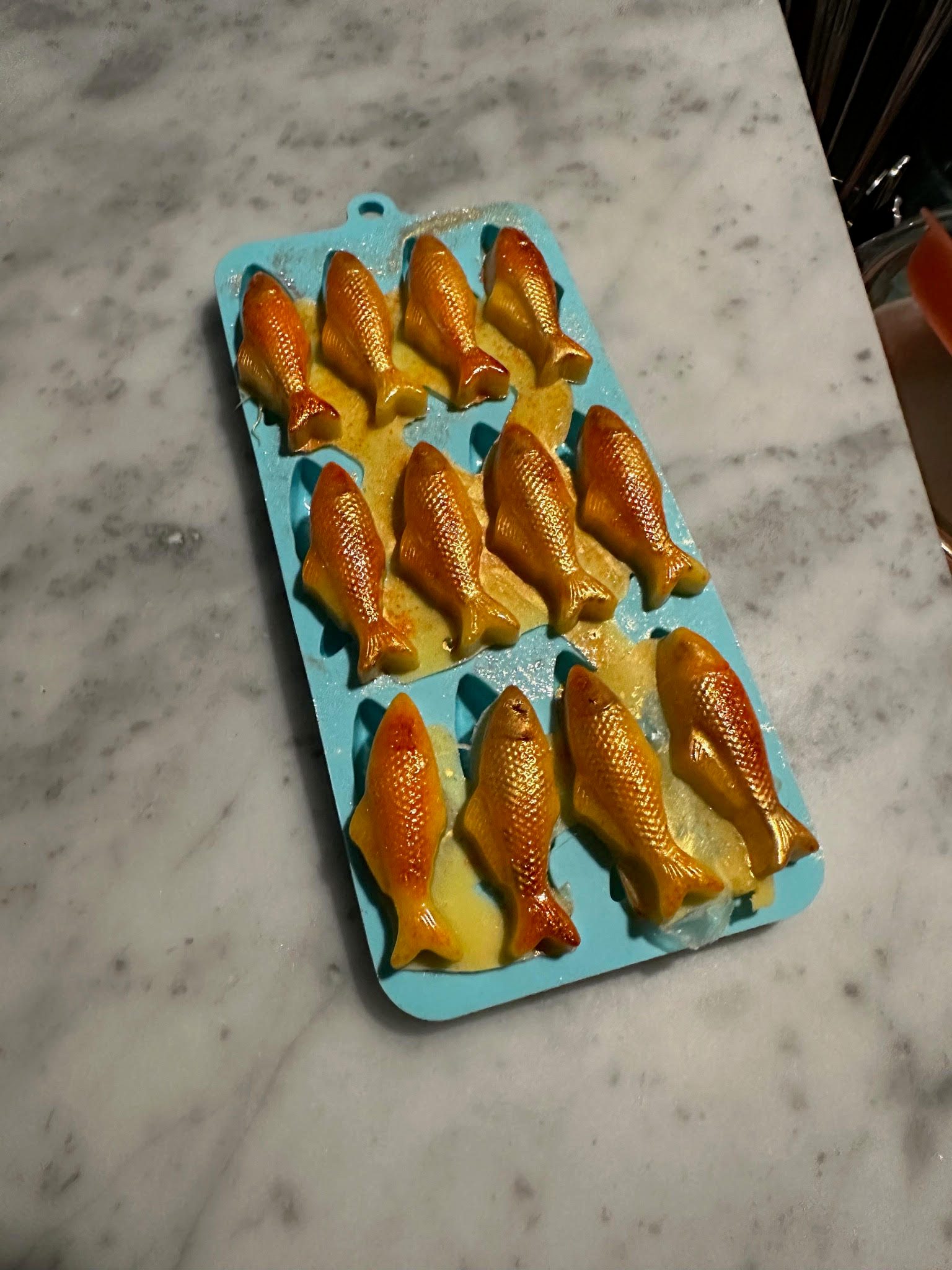
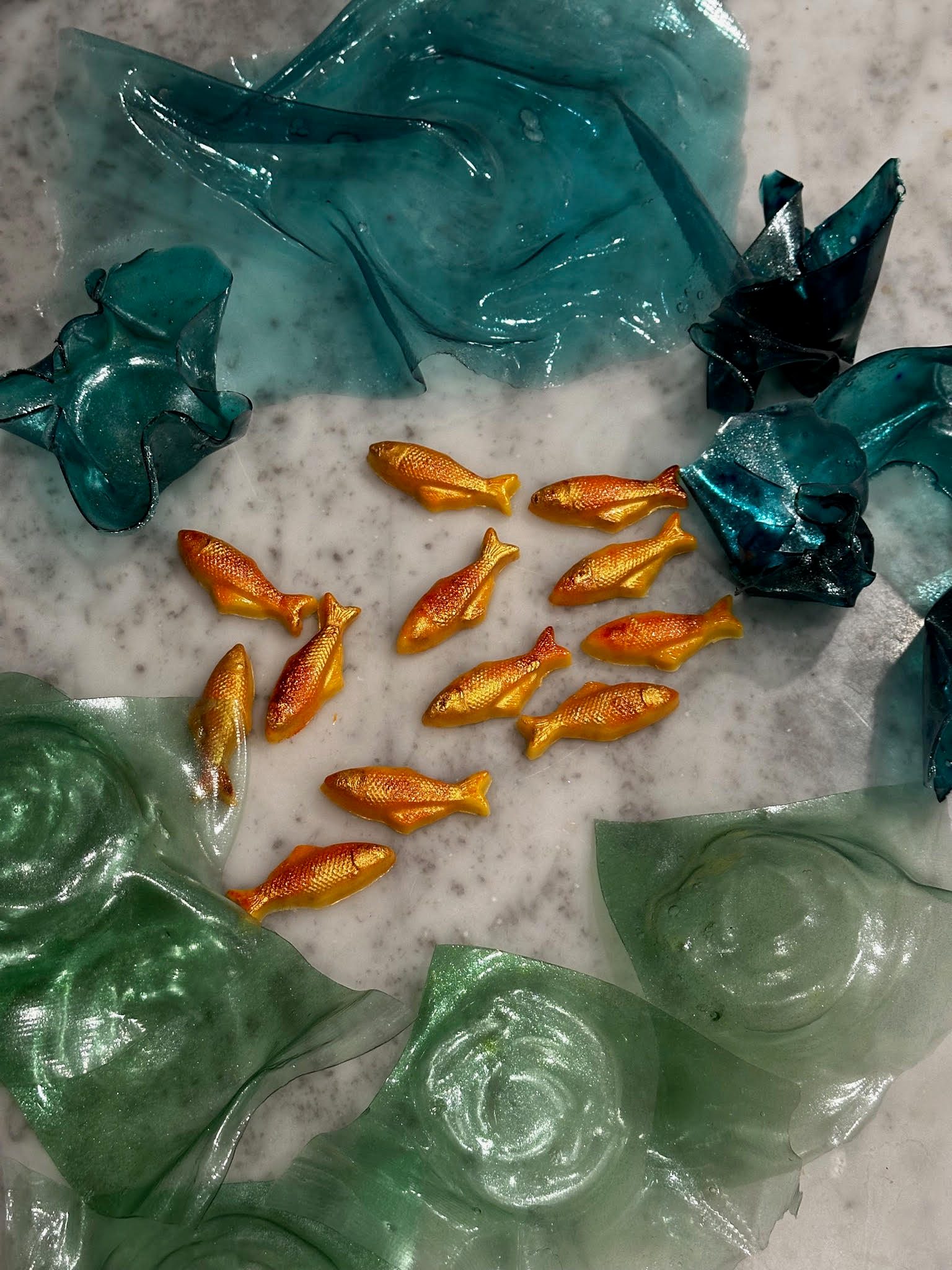
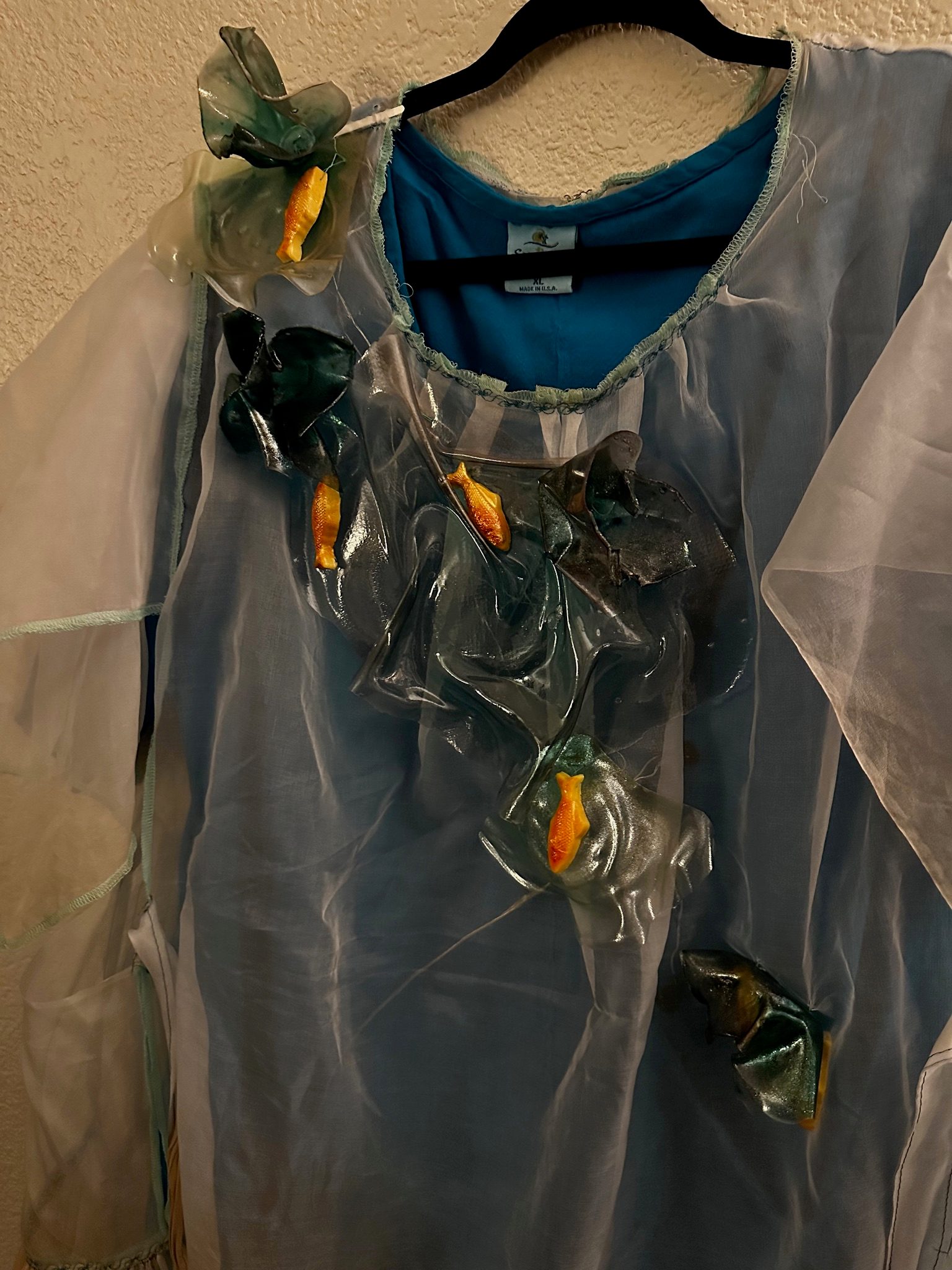
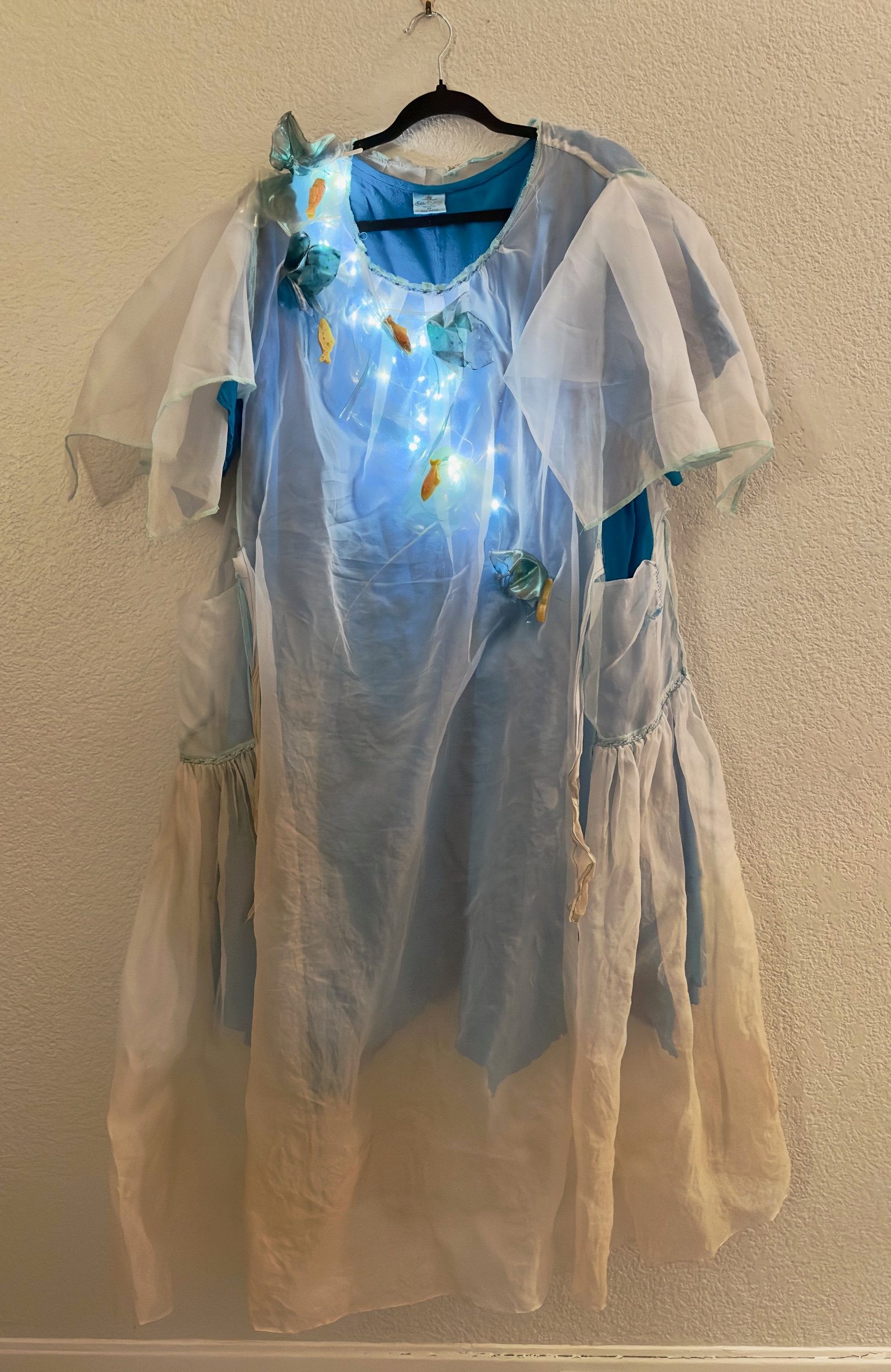
My current research is on bioplastics, bio-based plastic alternatives that decompose after use, and I am looking into how they can be used in performance applications. Right now, I am evaluating how well they work as substitutes for traditional SFX makeup techniques.
Can you tell us about some of the RCS productions you’ve worked on so far?
I am currently working as the set and costume designer on the MACCT classical production of The Tragedie of Macbeth. I am also currently working on the On the Verge film projects, also with the MACCT cohort.
Have there been any challenges in trying to make productions more environmentally conscious? How have you navigated them?
The biggest challenge I often face when trying to make a show more environmentally conscious is often time.
Planning not only about where you get things from but also where they are going after takes time that is often not considered in the production process.
Similarly, when you are making something from a new sustainable material, it takes time to develop the idea and ensure it will work, which you don’t have to plan for when using conventional materials.
There is a small financial factor depending on the materials you use or the rental cost, but more often than not, it’s time.
However, as the industry moves toward a more sustainable framework, it is becoming less of an issue, but we still need to advocate that it should be the norm, not the exception.
Have you had the chance to collaborate with industry partners or external companies during your studies?
I have had the chance to work with a researcher at Baylor University in the US, Sarah Mosher. She is also studying bioplastics. We were able to collaborate, share new recipes and discoveries, and teach a workshop at the University of Fine Arts in Poznań.
Are you currently working on any creative projects outside RCS?
I am currently working with the Association of British Theatre Technicians (ABTT) to develop my research on bioplastics and their application as replacements for SFX prosthetics and makeup. I am starting on trials of different recipes to see how well they work.
Read about Lauren winning ABTT’s Idea of the Year award (Industry) and £1,500 seed funding to further develop her work.
Where do you see your design practice heading after graduation?
After graduation, I hope to stay in the UK and continue working in theatre and expand my sustainable practice.
What role do you hope to play in pushing sustainability forward within the production arts sector?
The main way I am doing that right now is through the development and testing of bioplastics and their applications, as well as teaching workshops to spread the word about this new resource.
Is there a dream project, company, or creative team you’d love to work with in the future?
I would love to work with the Royal Shakespeare Company one day. I love Shakespeare and the innovation the RSC does as a research organisation, as well as the historic preservation work they do. I find it wonderful and very worthwhile.
What advice would you give to other designers who want to incorporate sustainability into their creative process but don’t know where to begin?
Small changes do make a difference; it’s better to try and succeed in small ways than not to try at all.
No one is ever going to get it perfect, cause the world is messy and things happen, but as long as you are trying and thinking sustainably, you are making progress and will start to feel more natural the more you do it.
Visit Lauren’s website and follow her on Instagram @laurenbrown_costumedesign