What's On Page Navigation

Talk
Exchange Talk: Multispecies Sonic Socialities and the Sound of Stranding
Mon 27 April 2026
18:15
Page Navigation
Art and the Anthropocene – Talk 2
Multispecies Sonic Socialities and the Sound of Stranding
With Alex South
Online
With cetacean strandings on the rise, Dr Alex South examines these events through acoustemology. Examining whale vocalizations and noise pollution, sounds made by human rescuers, and the works of sound art and music inspired by strandings, suggesting that these might be manifestations of broader multispecies sonic socialities facilitating the communication of interspecies care.
Whale and dolphin strandings are rising globally. The causes are diverse and include underwater noise pollution resulting from human sources such as shipping, military sonar, and seismic surveys. Such anthropogenic sounds can disrupt cetacean acoustic communication, diving behaviours, and navigation. The past decade in Scotland has seen several mass strandings and mass mortality events, leading to headlines around the world and multiple artistic and musical responses.
The mass strandings of pilot whales are often felt to be particularly tragic, as a contributory factor is the strength of the kinship bonds linking their family groups. Sound plays a major part in mediating these social connections, with pilot whales recognized as displaying one of the most complex systems of acoustic communication of all cetaceans.
In his talk, Dr Alex South examines the role of sound in cetacean strandings through the lens of acoustemology, telling “stories of sounding as cohabiting” (Feld 2015). Starting underwater with whale vocalizations and noise pollution, he moves through sounds made by human rescuers at stranding events, and finally to the works of sound art and music inspired by strandings. These are, I suggest, manifestations of broader multispecies sonic socialities that facilitate the communication of interspecies care.
About the Speaker:
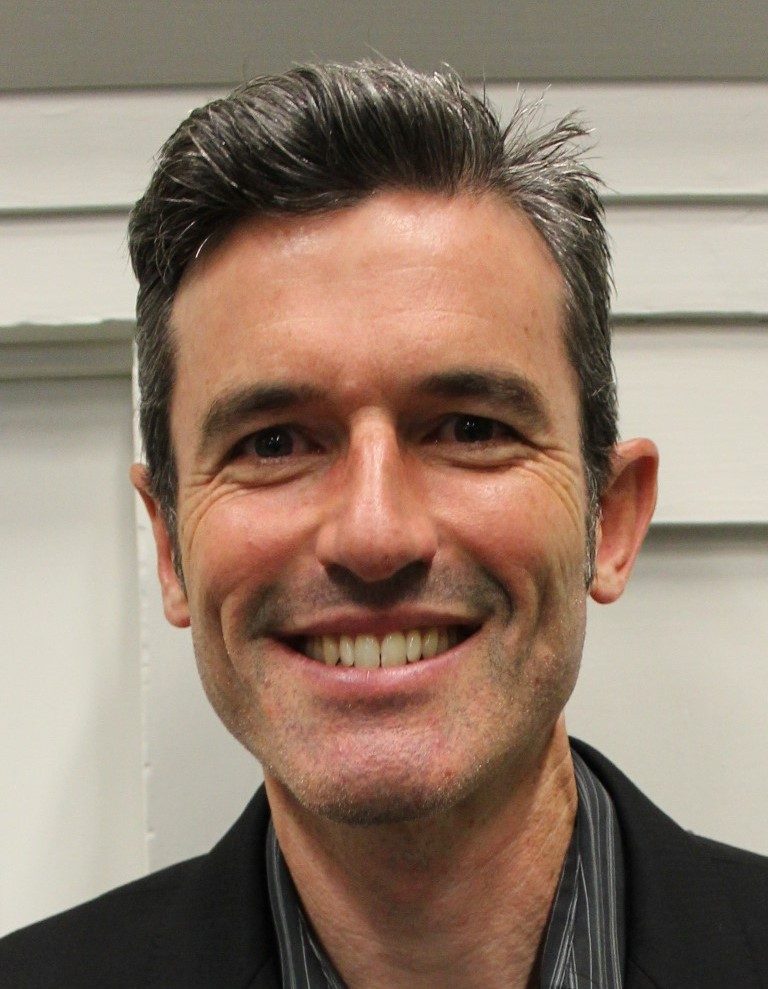
Alex South is a Glasgow-based musician and researcher inspired by the sounds of the more-than-human world. He creates and performs live music for clarinets and electronics, often in multi-artform collaborations, and teaches at the RCS and the University of St Andrews. Alex’s recent Postdoctoral Fellowship at IASH (University of Edinburgh) examined the role of musicians in interspecies grieving practices, focusing on a participatory artistic memorialization of the 2023 mass stranding of pilot whales in the Outer Hebrides. For his PhD dissertation, Cetacean Citations (RCS/University of St Andrews), Alex integrated practice-led research from the perspectives of ecomusicology and zoömusicology with bioacoustical analysis of the rhythms of humpback whale song.